Ruaha National Park

Discover Ruaha National Park

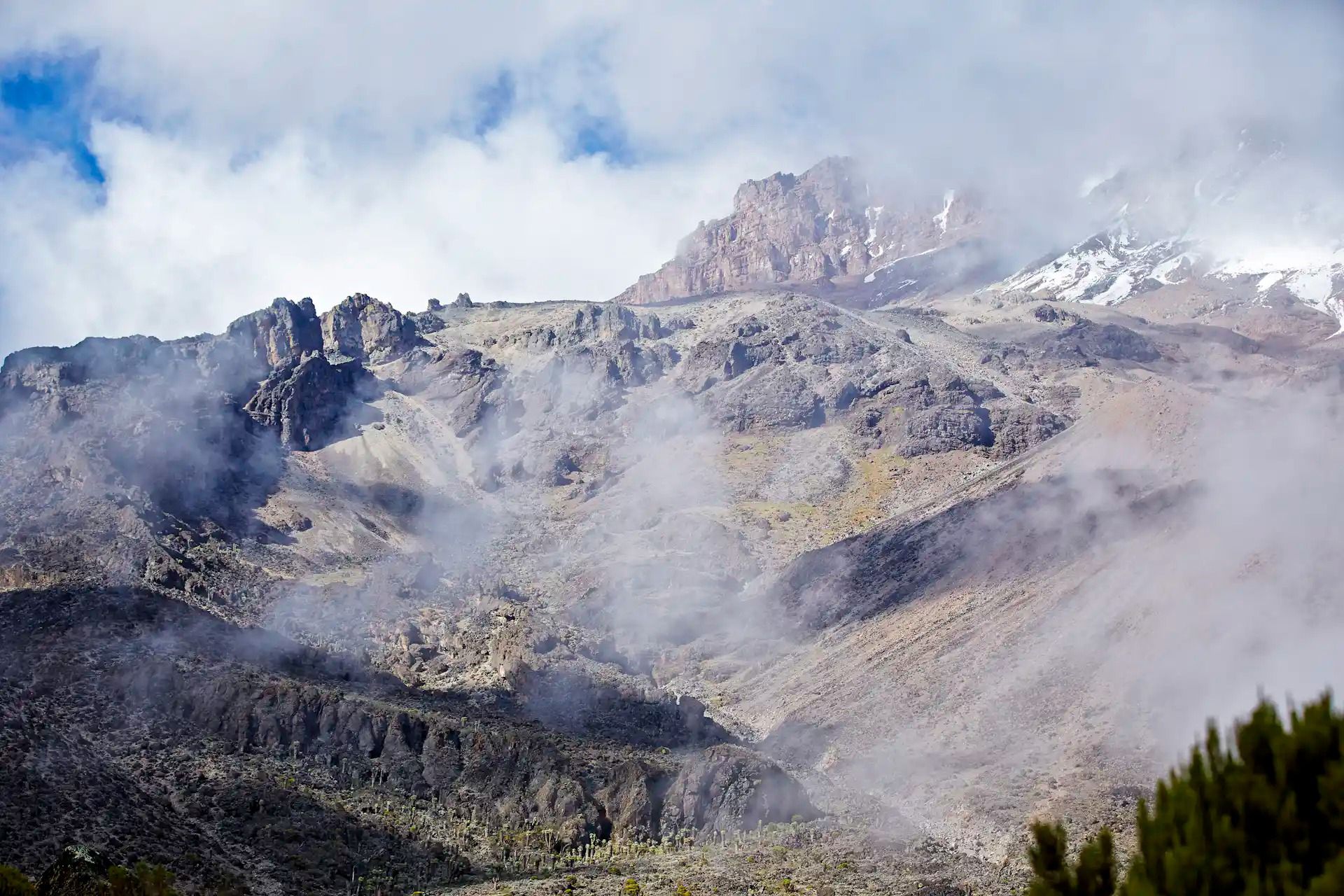
Ruaha National Park is Tanzania’s largest national park, sprawling over an impressive 20,226 square kilometers in the heart of the country. This remote and rugged wilderness is one of Africa’s best-kept secrets, offering a truly authentic safari experience far from the more tourist-heavy destinations. The park is named after the Great Ruaha River, which flows along its southeastern border, providing a lifeline for the park’s diverse array of wildlife. Ruaha’s landscape is a striking mix of baobab-studded plains, rocky outcrops, and miombo woodlands, creating a dramatic backdrop for the incredible biodiversity found within its boundaries.

Ruaha remains relatively untouched, preserving its raw beauty and ensuring that visitors can enjoy a more intimate connection with nature. The park’s isolation contributes to its appeal, drawing those seeking solitude and a deeper understanding of Africa’s untamed wilderness. As a transition zone between the eastern and southern African biomes, Ruaha boasts a unique blend of wildlife and vegetation, making it a fascinating destination for naturalists and wildlife enthusiasts alike.

Wildlife Experiences

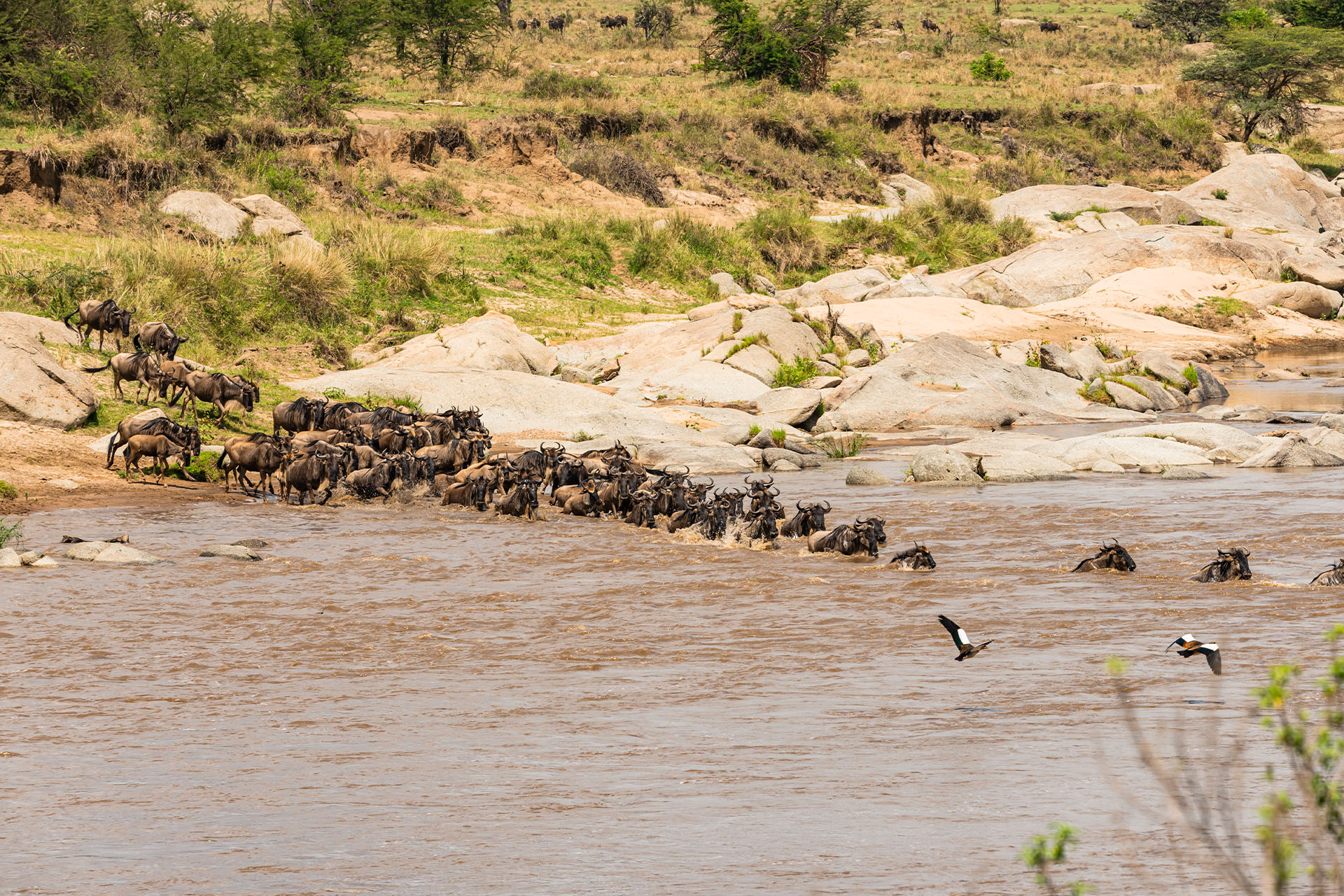
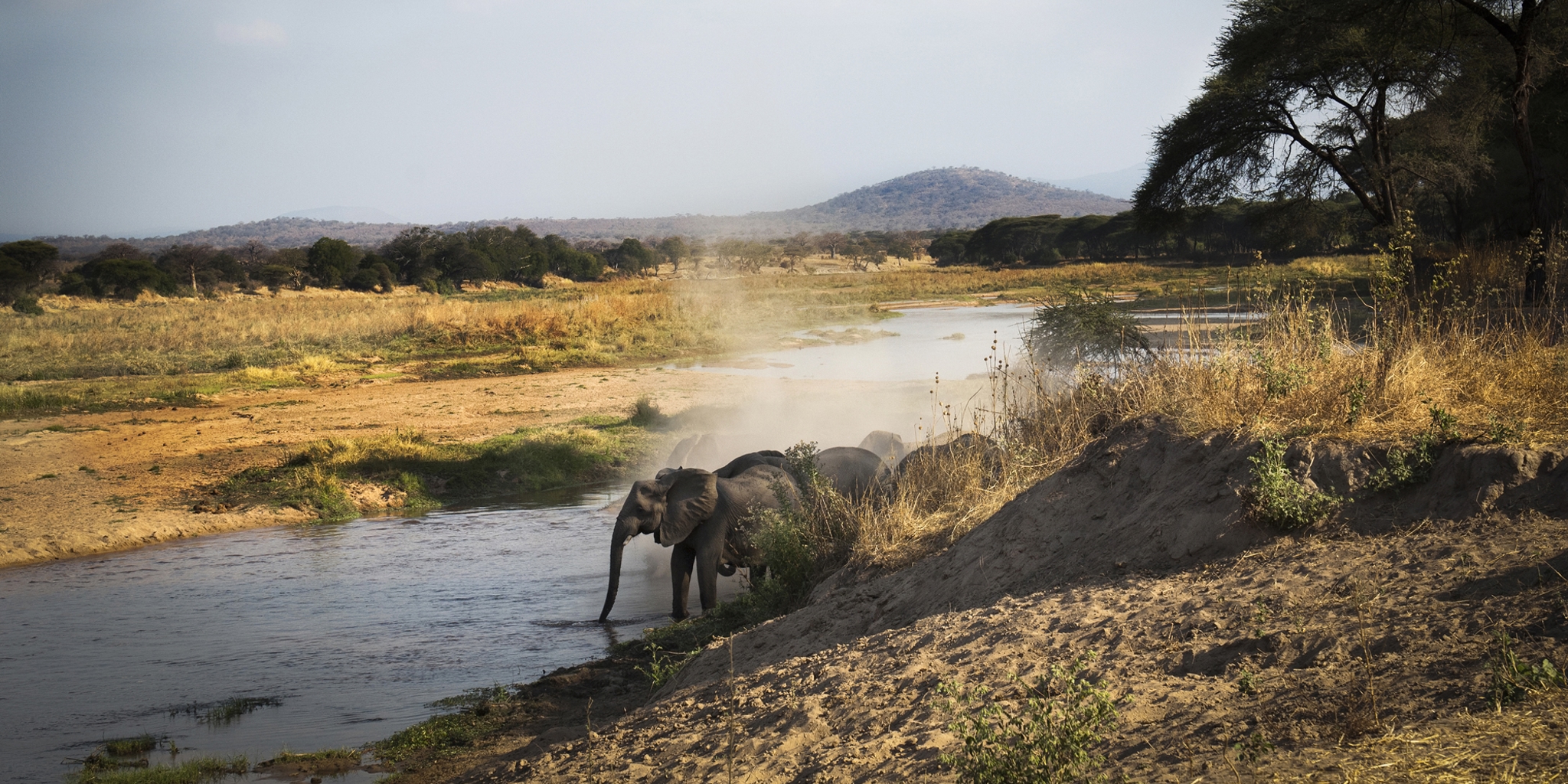
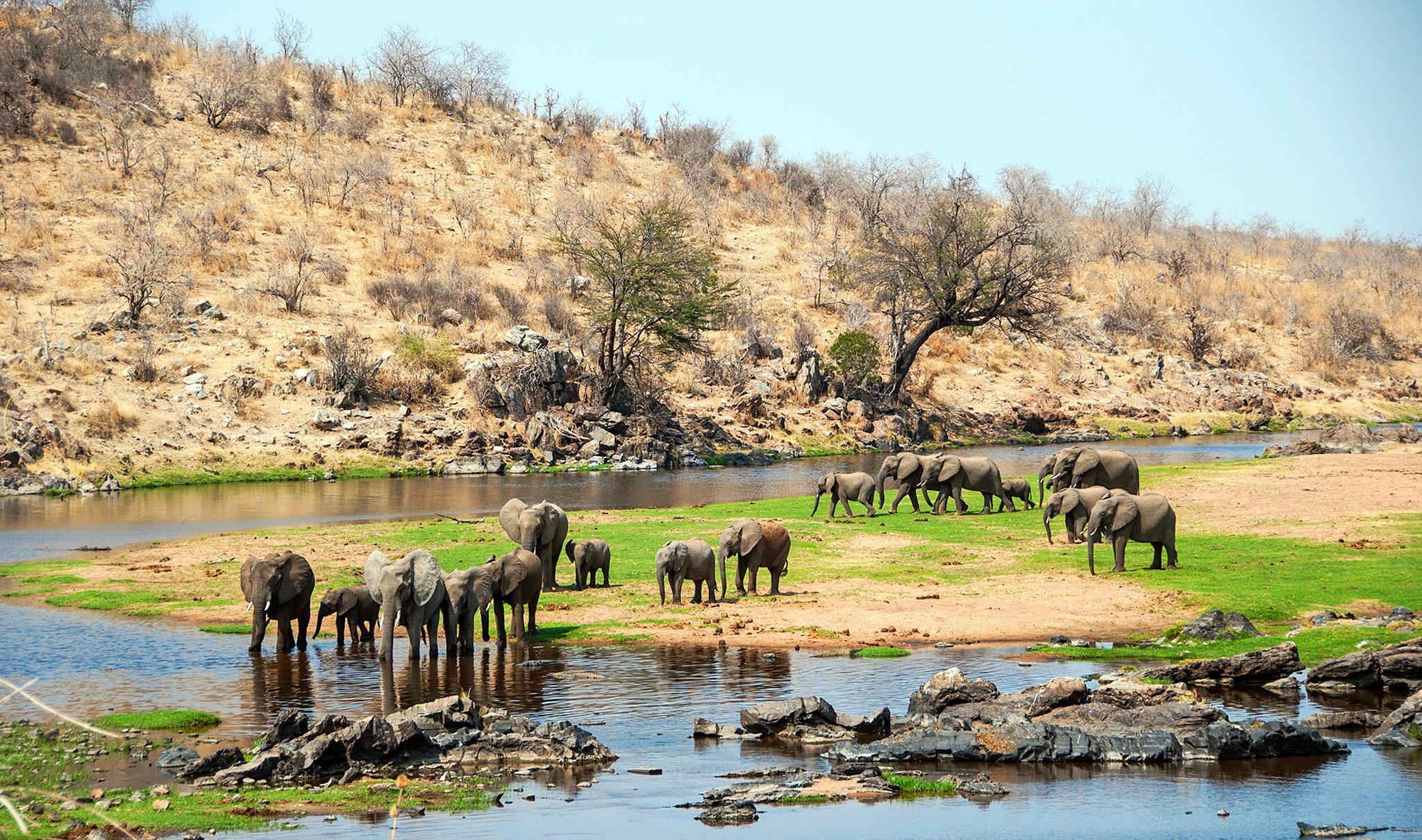
Ruaha National Park is renowned for its impressive biodiversity, boasting one of the highest concentrations of elephants in East Africa. It’s not unusual to encounter large herds of these majestic creatures as they roam freely across the savannahs. The park is also a critical sanctuary for predators, especially lions, which are found here in large numbers. In fact, Ruaha is home to one of the largest lion populations in Africa, offering exceptional opportunities for witnessing dramatic interactions between these apex predators and their prey.

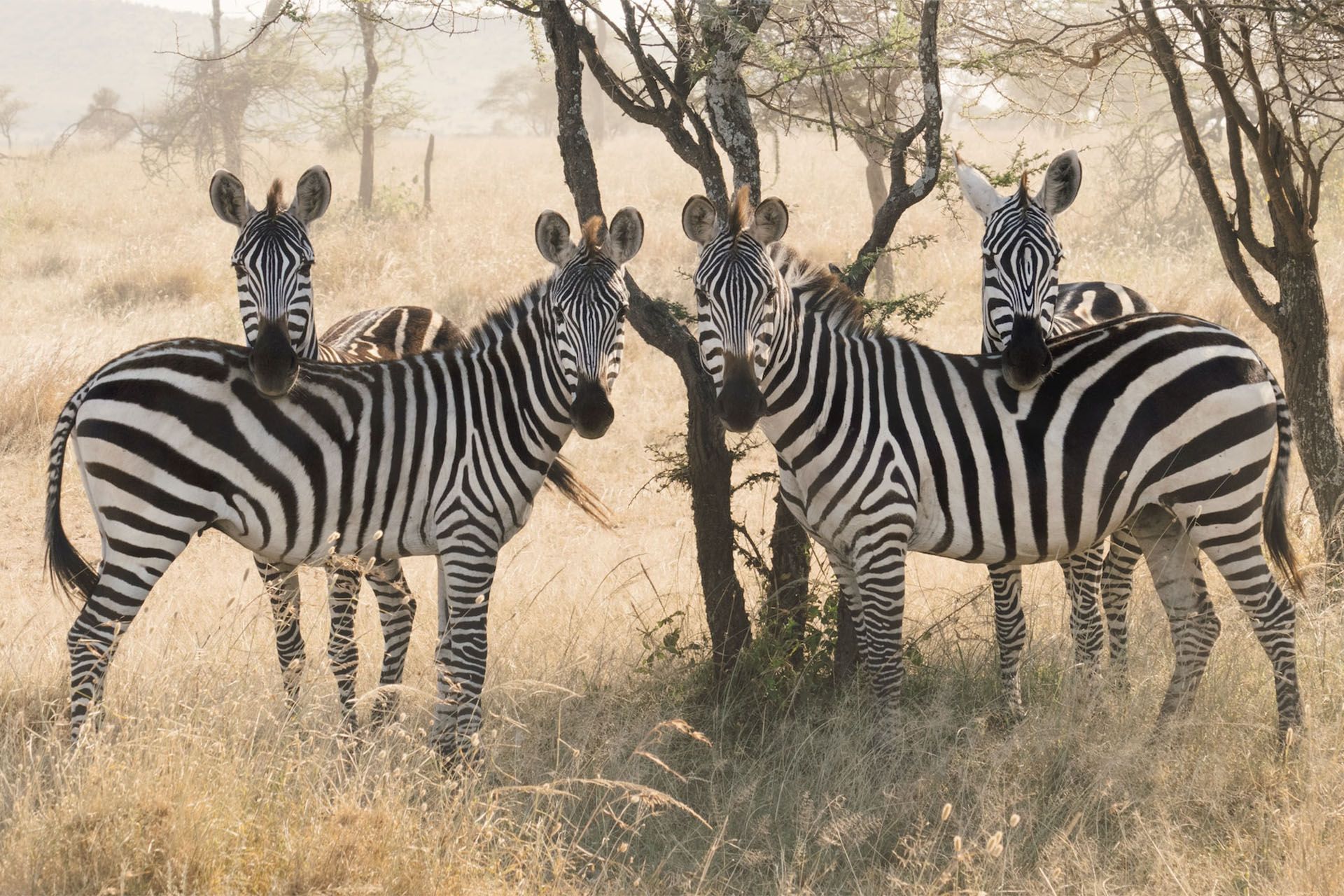
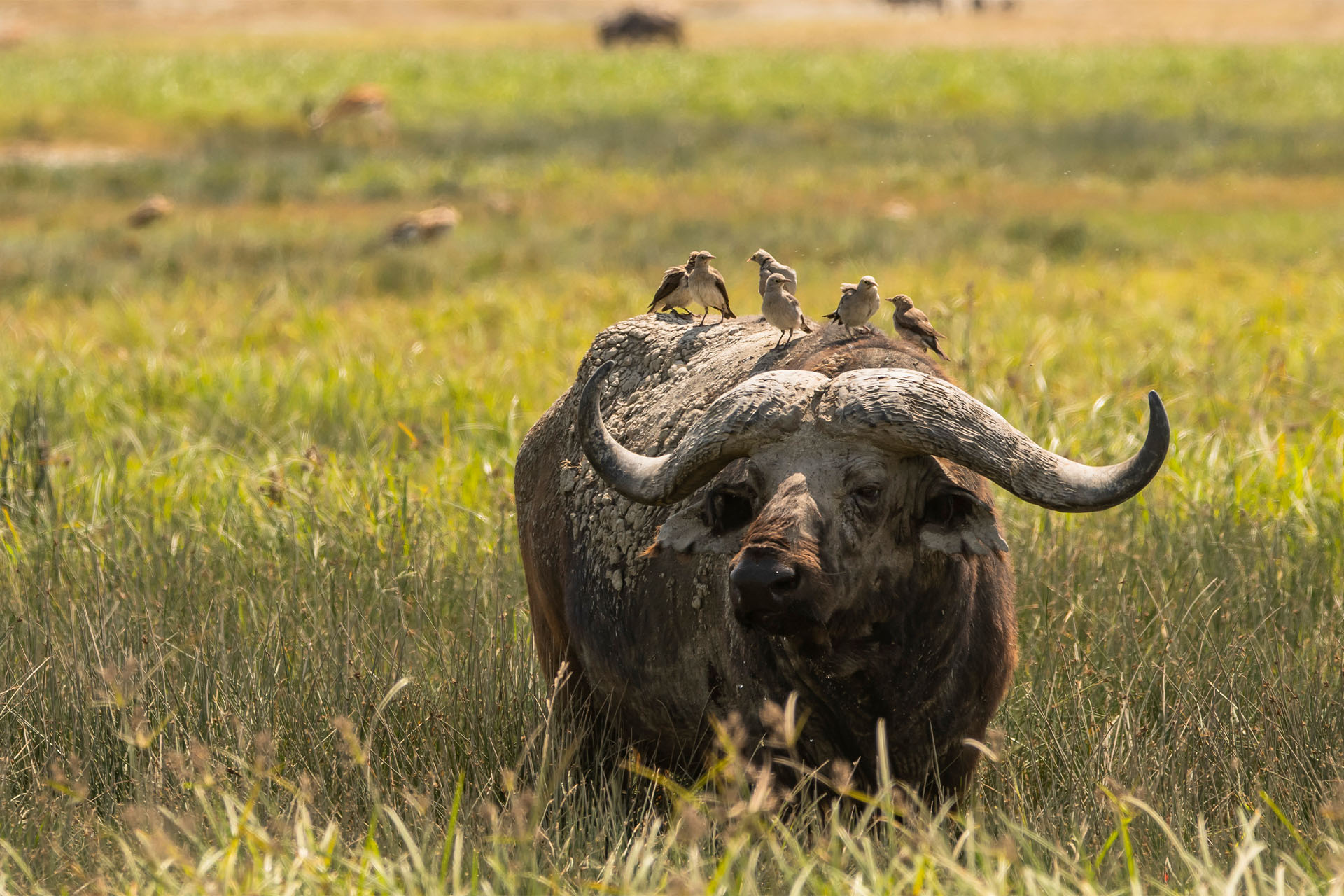
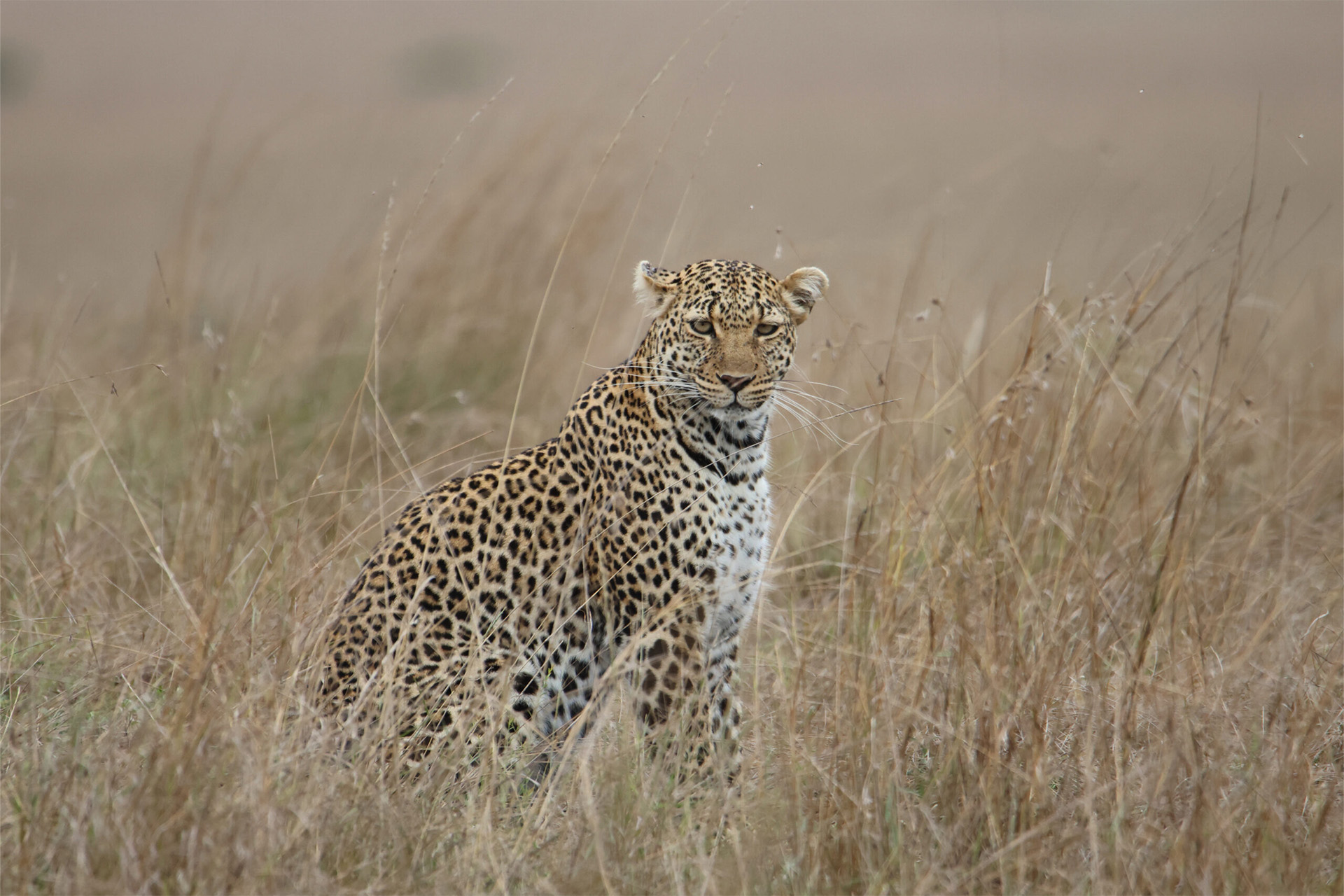
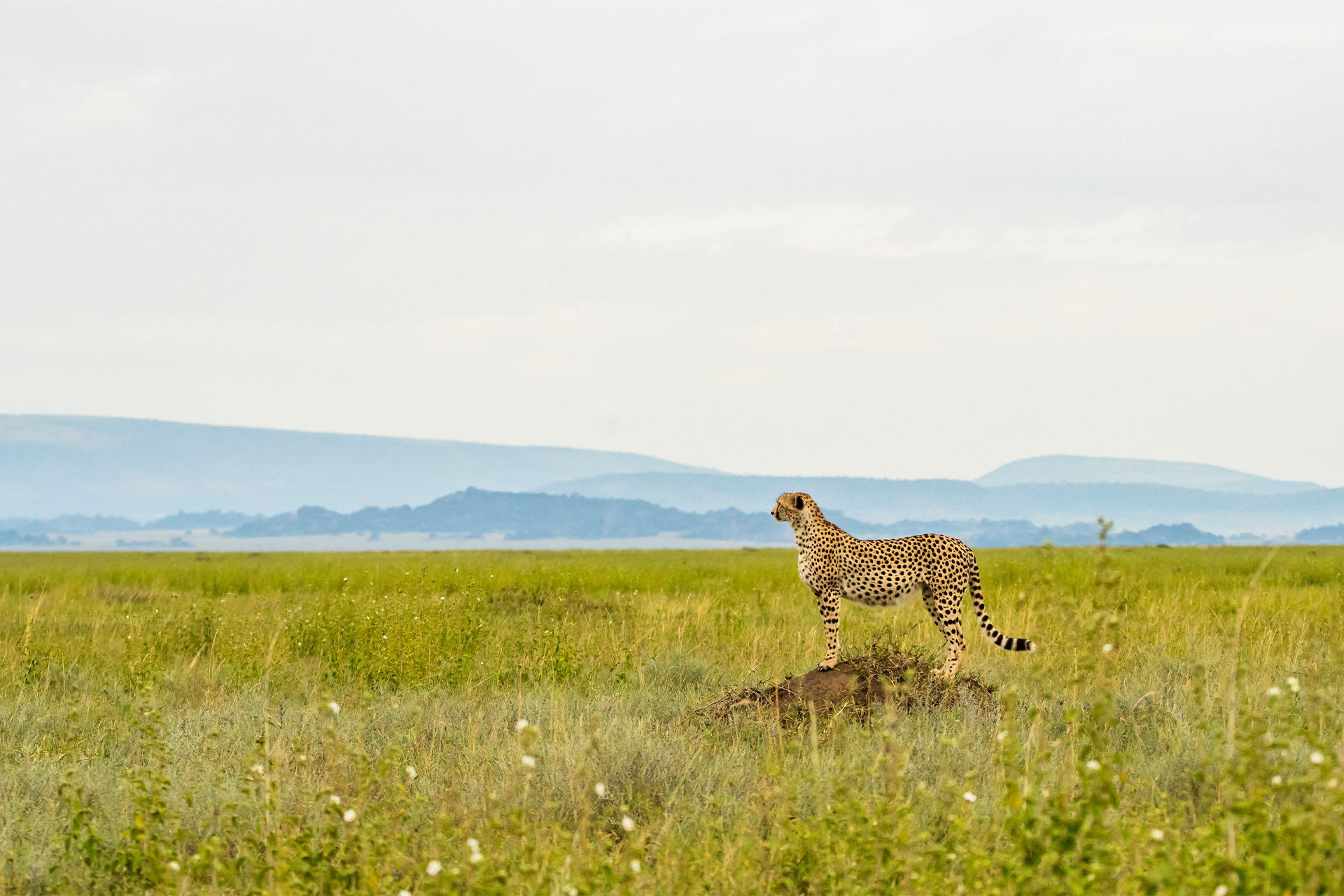
Other large carnivores include leopards and cheetahs, as well as endangered African wild dogs, which thrive in the park’s remote and undisturbed environments. Hyenas and jackals are also frequently spotted. Ruaha’s diverse prey species include buffalo, giraffes, zebras, impalas, and antelopes such as sable and roan, which are more commonly seen here than in many other Tanzanian parks.

Birdwatchers will be delighted by Ruaha’s extraordinary avian diversity. With over 570 recorded bird species, the park is a birding paradise. Migratory species, along with colorful residents like hornbills, kingfishers, and bee-eaters, provide endless viewing opportunities. The proximity of the Great Ruaha River and other seasonal watercourses attracts waterbirds such as herons, storks, and fish eagles, making riverine walks especially rewarding.

Things to Do in Ruaha National Park

A visit to Ruaha National Park offers an array of activities that allow visitors to immerse themselves in the park’s untamed wilderness. Game drives are the primary way to explore Ruaha, with both morning and afternoon drives offering the best opportunities to observe wildlife. The park’s expansive landscapes and low visitor numbers create an exclusive safari experience, where sightings are often enjoyed in solitude.

For a more intimate encounter with Ruaha’s wildlife, guided walking safaris are highly recommended. Led by experienced guides, these walks offer a unique perspective on the park’s ecosystems, allowing visitors to track animals on foot, learn about the flora, and gain insights into the smaller, often overlooked creatures that inhabit the bush.

Another exhilarating experience in Ruaha is a night game drive, where you can witness the park’s nocturnal life come alive. The cooler night air brings out a different set of creatures, including elusive predators like leopards and hyenas, as well as various species of nocturnal birds and insects.

For those interested in the cultural aspects of the region, visits to nearby local villages can be arranged. These excursions provide a glimpse into the lives of the local communities who have coexisted with wildlife for generations. Engaging with the local people, learning about their traditions, and understanding their relationship with the natural world adds a rich, human dimension to the Ruaha experience.

Best Time to Visit Ruaha National Park

The best time to visit Ruaha National Park depends on the type of safari experience you are looking for:

  • Dry Season (June to October): This is the prime time for wildlife viewing, as animals congregate around water sources, especially along the Great Ruaha River. The vegetation is sparse during these months, making it easier to spot animals. Temperatures are also cooler, particularly in the evenings and mornings, making game drives more comfortable. The dry season is perfect for visitors focused on predator-prey interactions and for those hoping to see large elephant herds.

  • Wet Season (November to April): The park transforms into a lush, green wonderland during the rainy season. This period is excellent for birdwatching, as migratory species arrive and many resident birds begin their breeding season. The park is less crowded during the wet season, offering a more private safari experience. However, the abundance of water can make wildlife more dispersed, and some roads may become difficult to navigate.

Plan My Trip

We specialize in tailor making your tour to ensure you get the perfect safari itinerary to your tastes and budget. With a personal touch from the first email right up until we drop you off at the airport, we pride ourselves on offering unparalleled customer service.
Wildlife

Explore Our SafariTour Packages