5 Day Tanzania Romantic Safari Vacation

Nothern Tanzania

From

$ 1,580

Duration

5 days

Tour Type

Tour Highlight

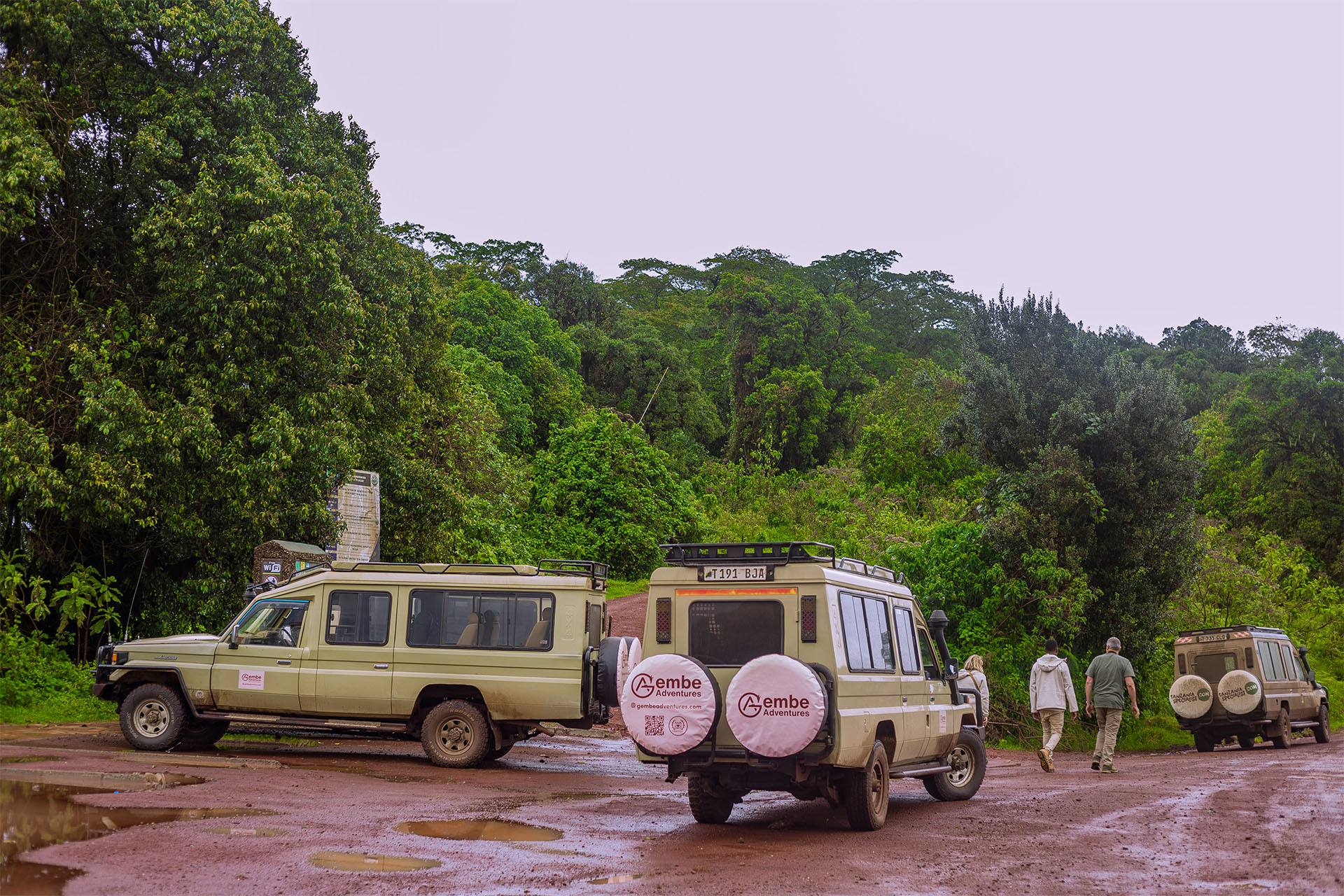
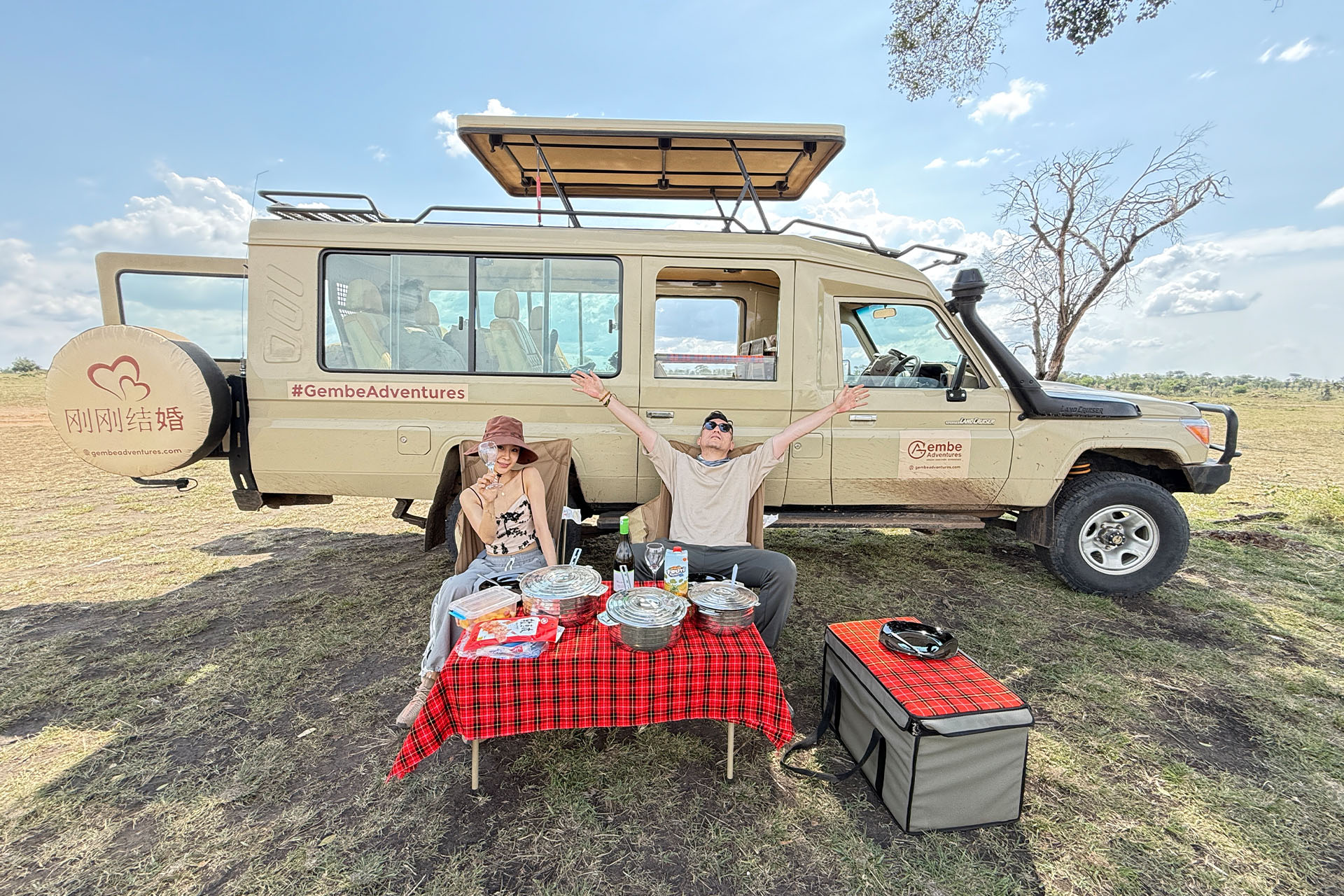
Our five-day Tanzania Couple Safari Holiday is meticulously crafted to deliver a short yet deeply immersive adventure for couples seeking a thrilling wildlife experience. Over the course of these five days, you’ll embark on exhilarating game drives through some of Tanzania’s most stunning national parks, each renowned for its breathtaking scenery and abundant wildlife. The game viewing promises to be nothing short of extraordinary, offering you the rare opportunity to witness the natural world in all its raw beauty. From spotting the majestic Big Five to observing the daily dramas of the African wilderness, this once-in-a-lifetime experience will leave you awestruck and create memories you’ll cherish forever. Whether it’s your first safari or a romantic return to the wild, this journey will be a truly unforgettable adventure.
My Trip

Plan Trip To Africa

We take pride in crafting personalized safari itineraries tailored to your preferences and budget. From our first email to your final airport drop-off, we ensure every detail is handled with care, delivering exceptional customer service every step of the way.

Tour Itinerary

Arrival at Kilimanjaro International Airport (JRO), where you will meet an Swahili Trippers representative, and transfer to the hotel under the rate. The hotel will provide all the essentials for a comfortable stay: cozy rooms, hot water, polite staff, a swimming pool, and Internet access. In the evening there will be a briefing with our managers, who will also make sure you are ready to begin the Safari.

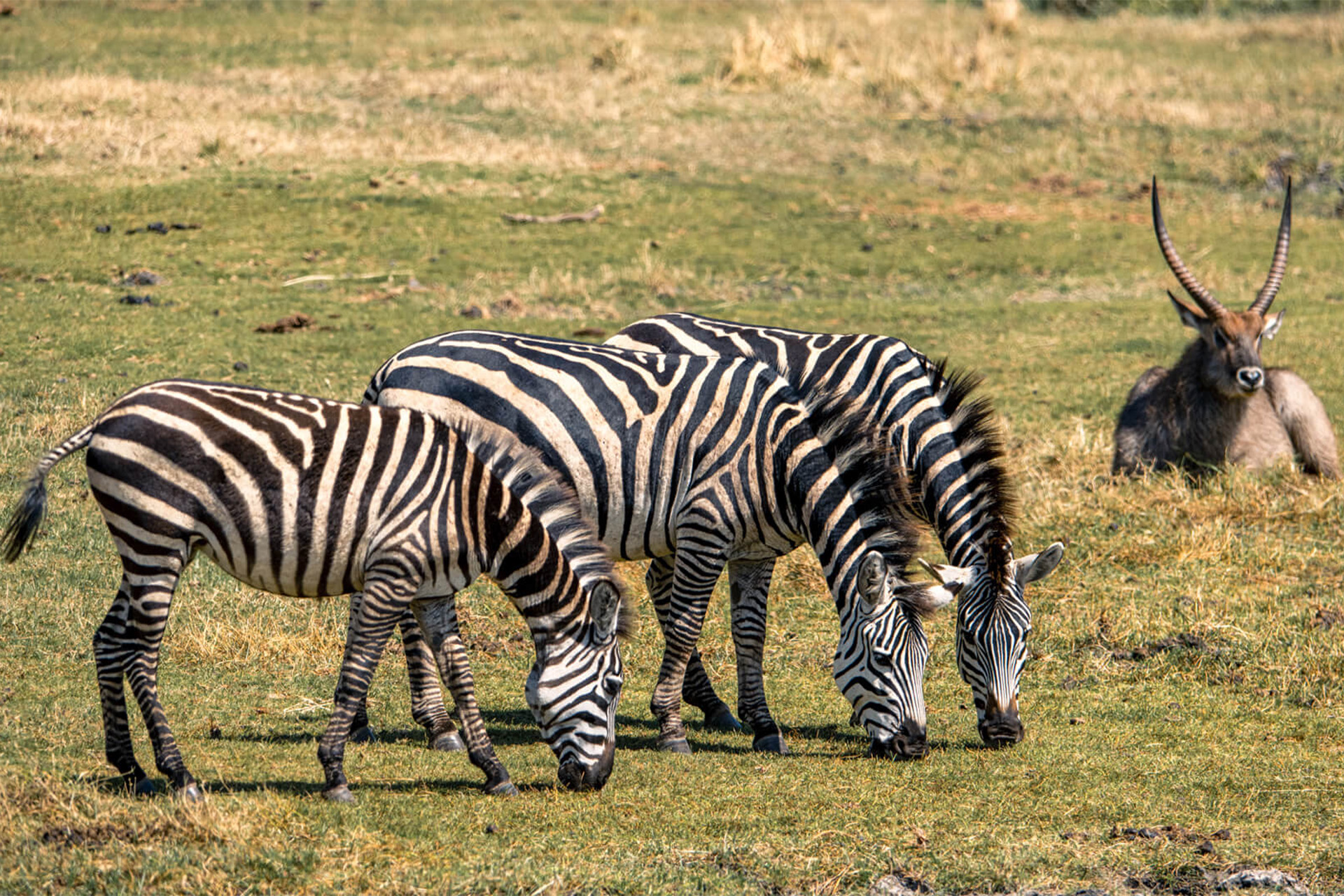
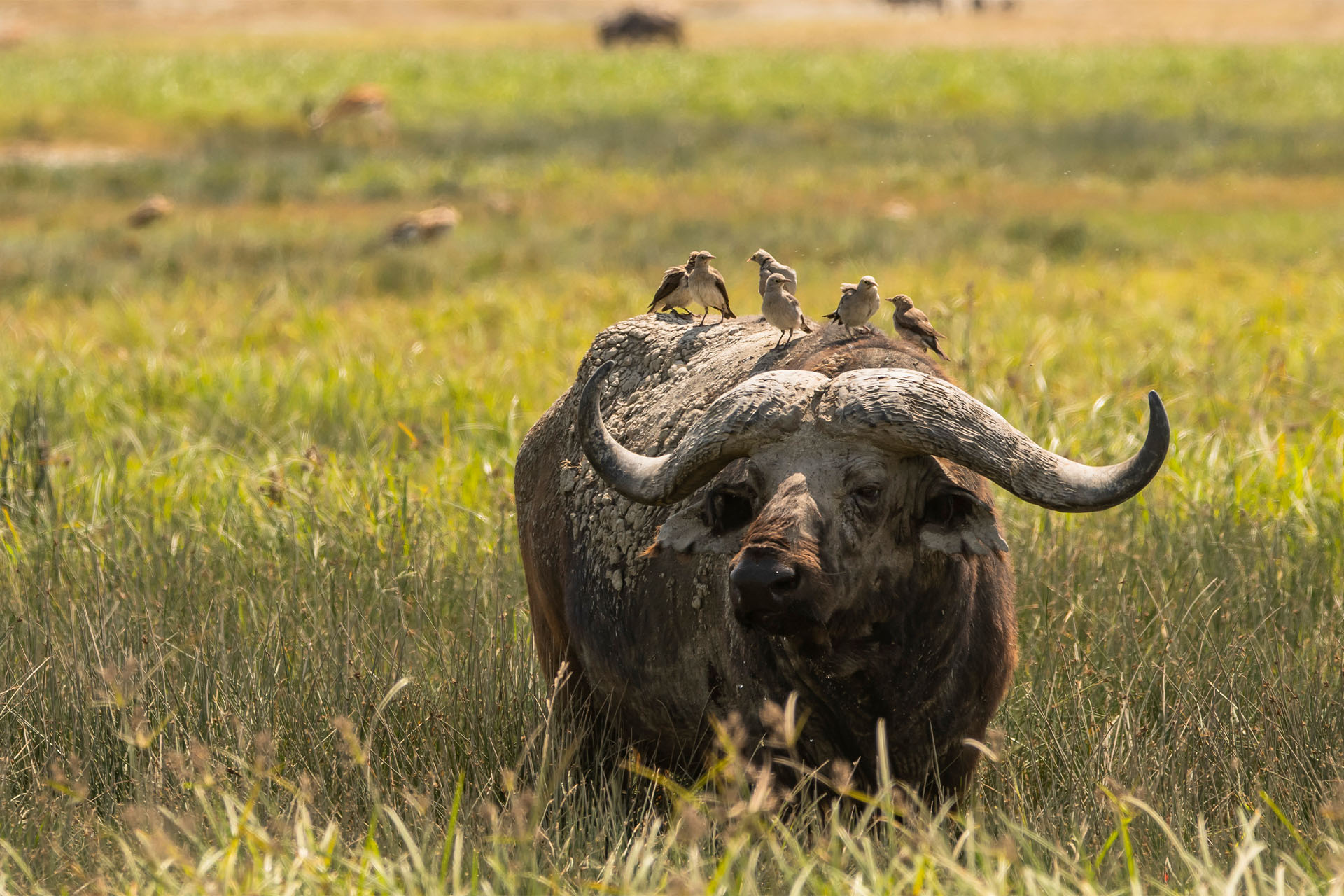
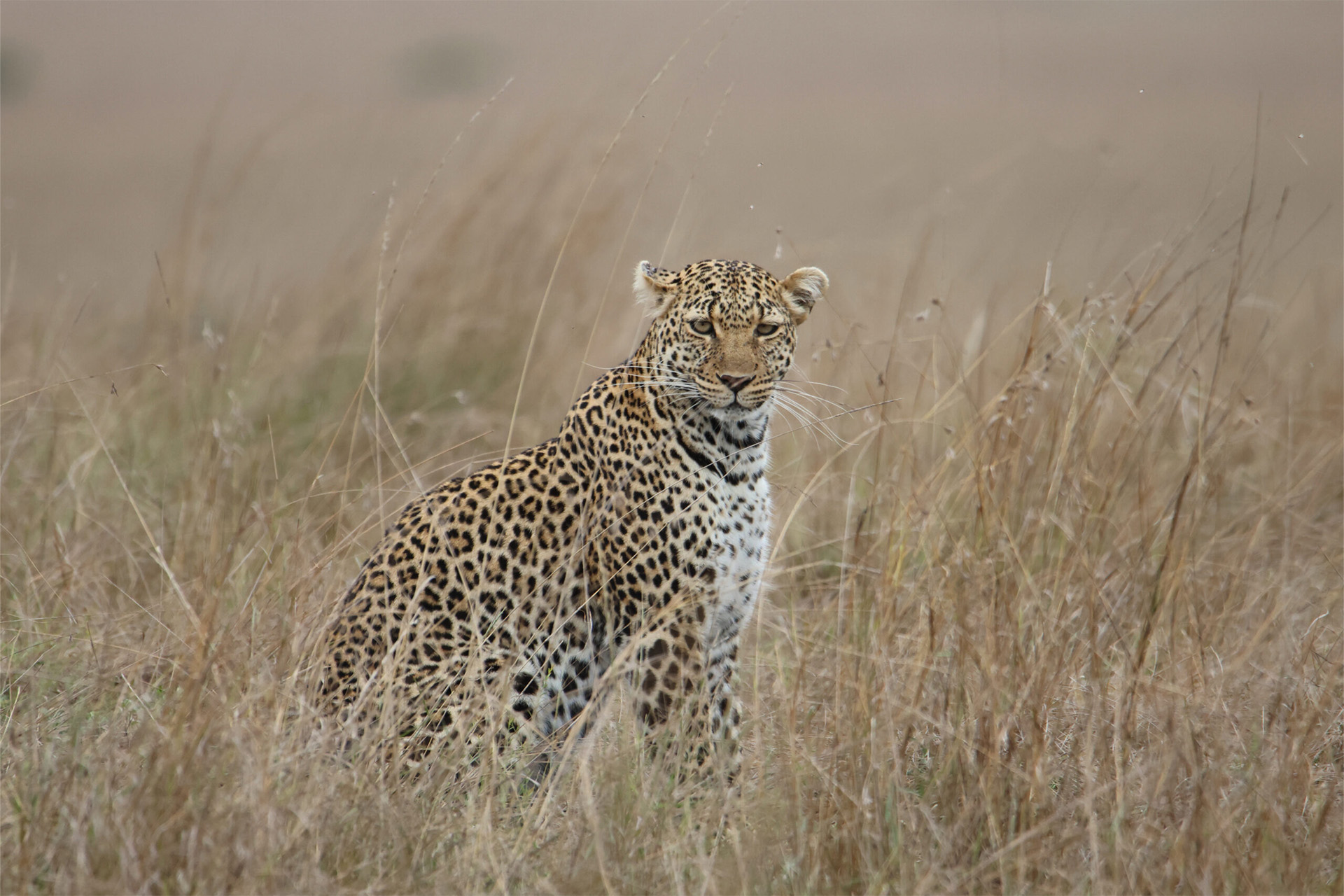
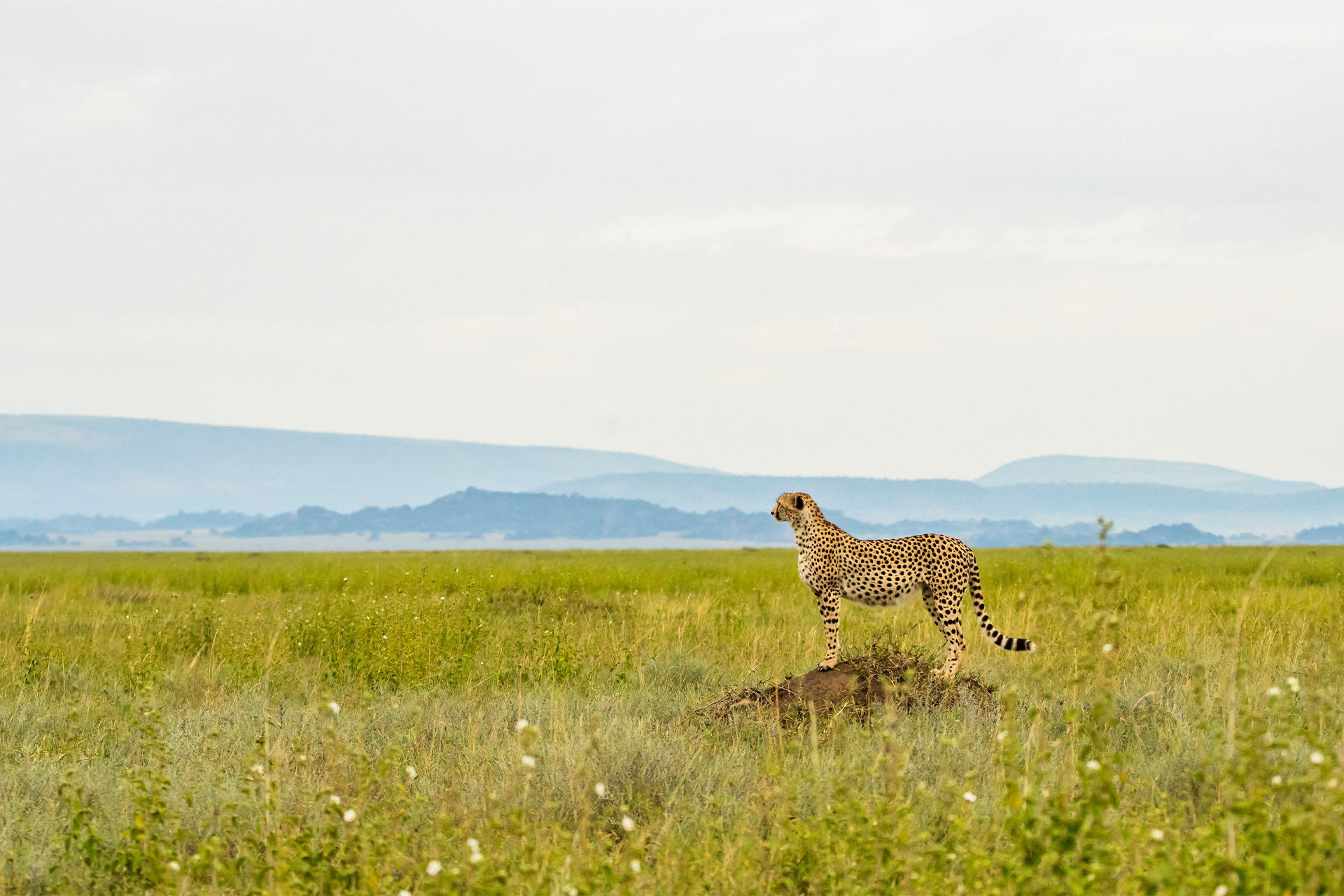
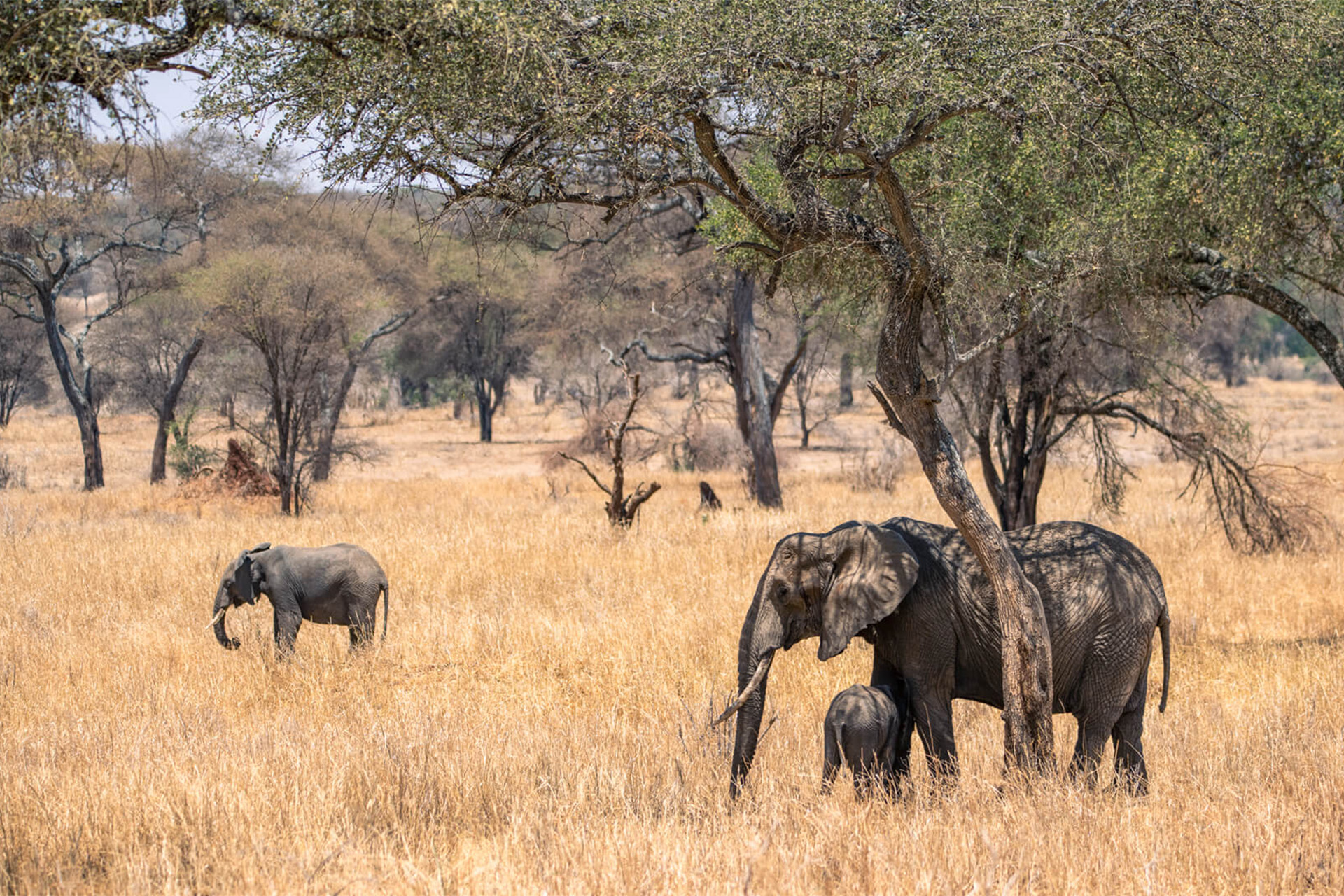
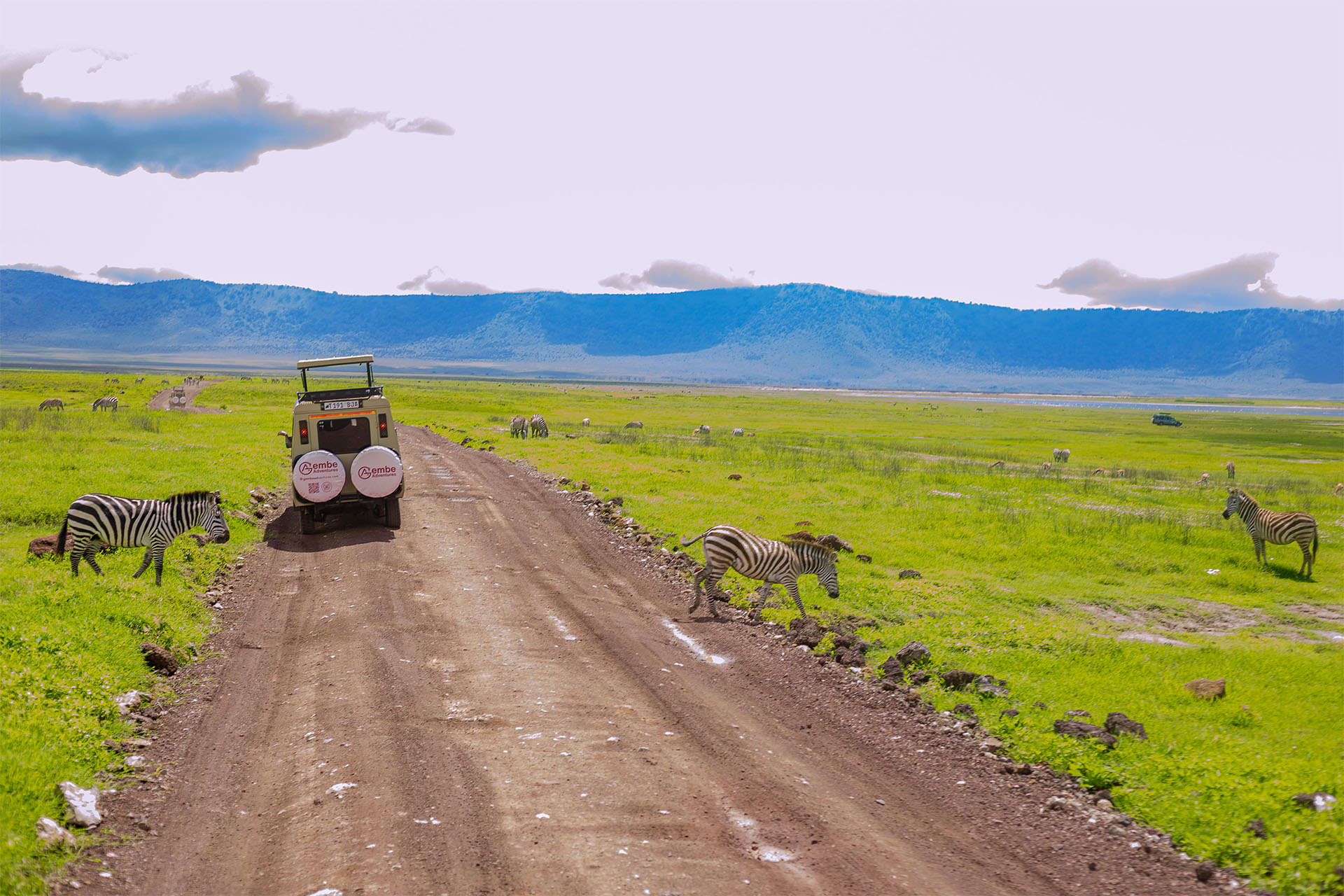
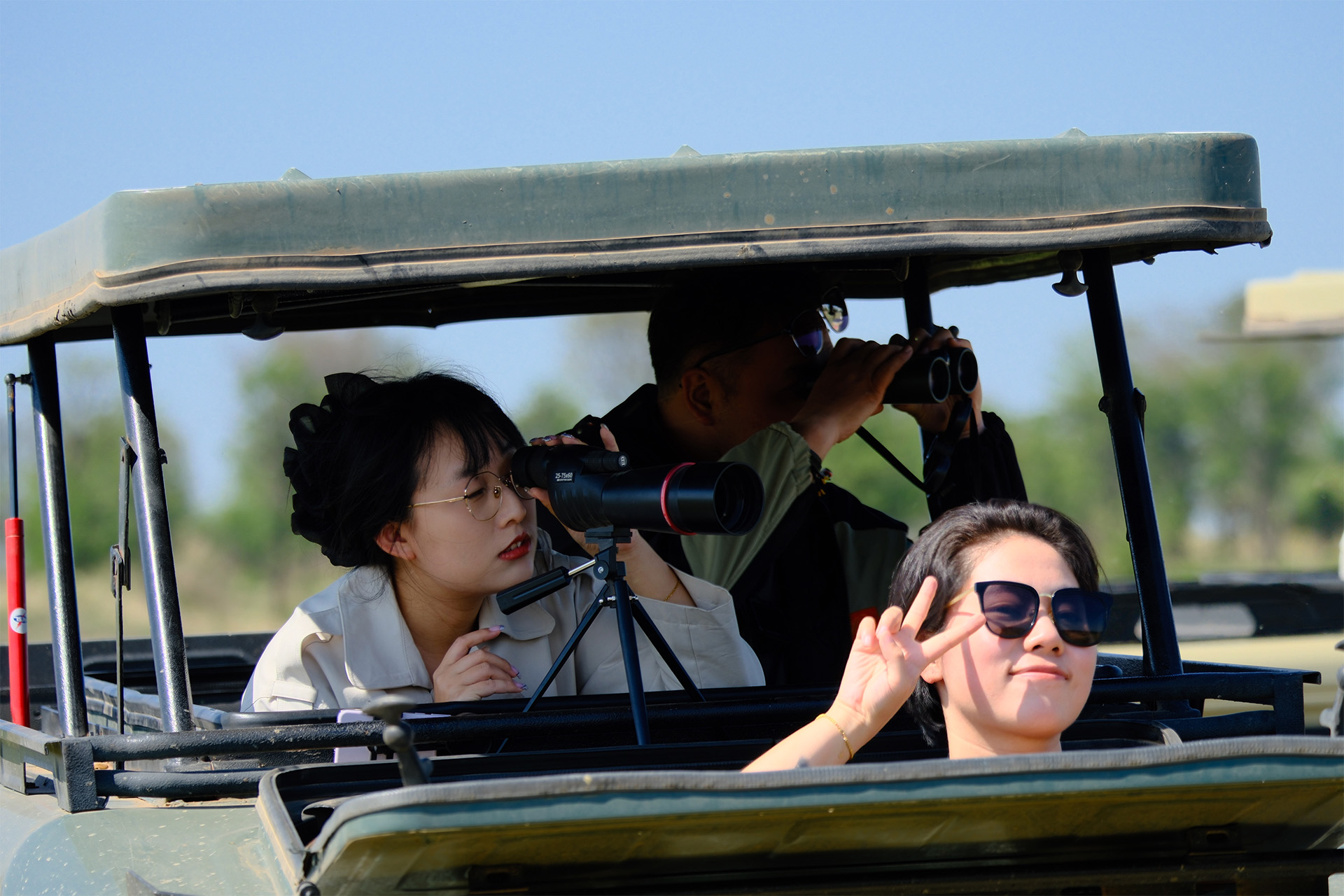
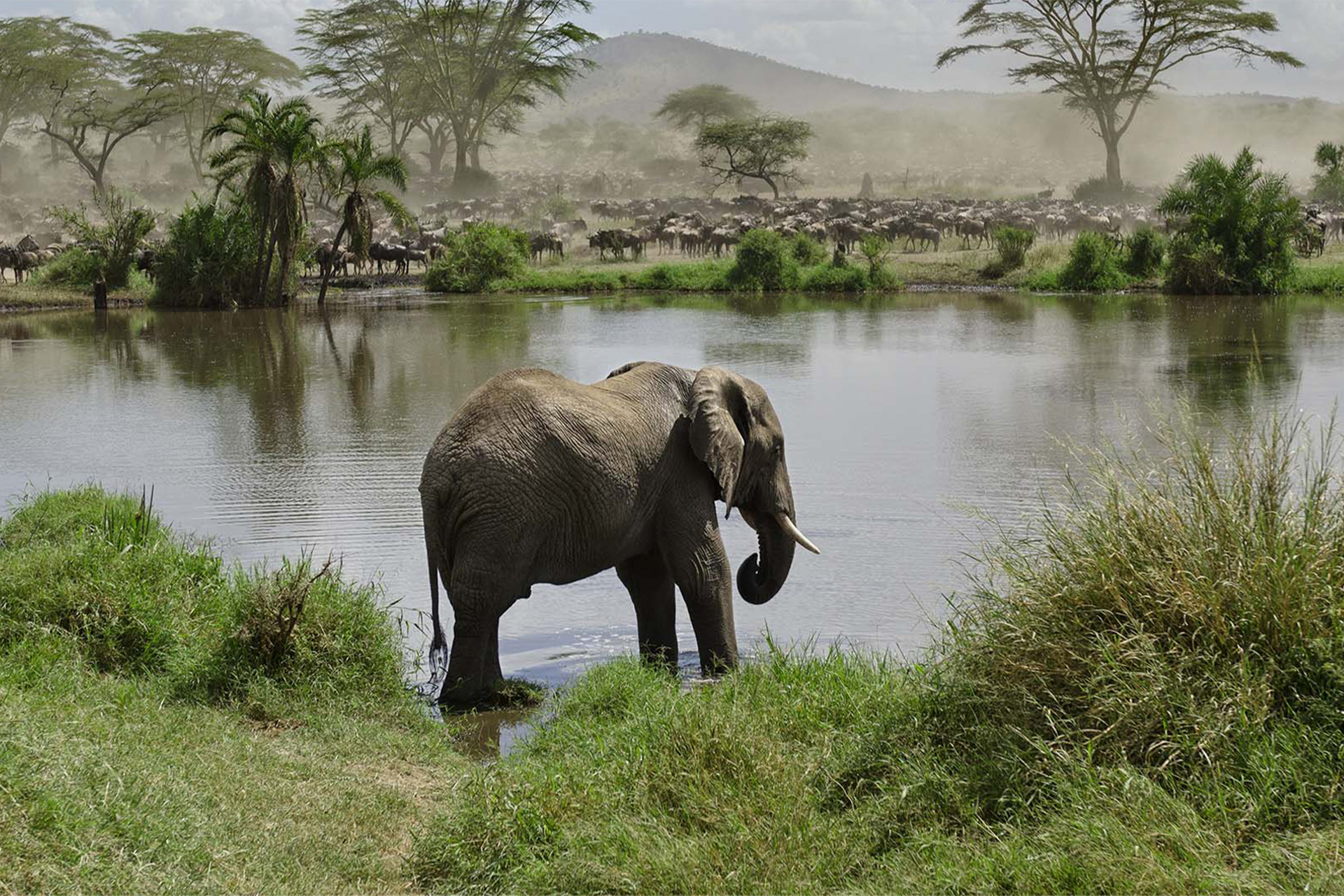
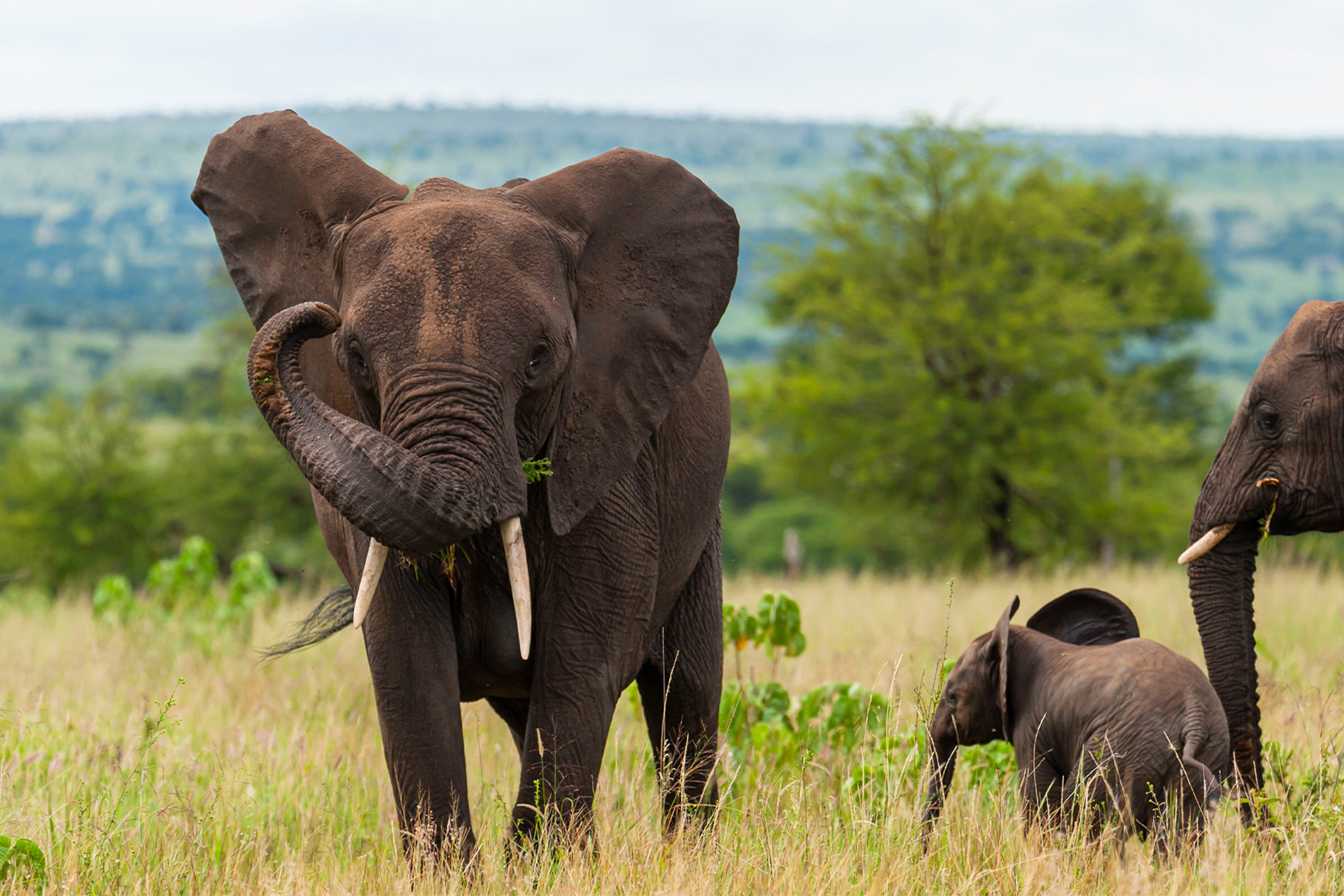
After a safari briefing in the morning and an approximately two-hour drive, you will arrive at Tarangire National Park. Giant baobab trees, bush savannah, and seasonal marshes add to the wonder of this nature reserve. Tarangire is considered one of the best places to view elephants up close. The park is also home to buffaloes, zebras, and wildebeests, which are always closely followed by a range of predators such as lions. Leopards are seen now and then but cheetahs are rarely spotted here. From the open roof of the safari jeep, you will be able to absorb the landscape and watch the animals. In the late afternoon, you will leave the park and drive to Your Lodge, where you will spend the night.

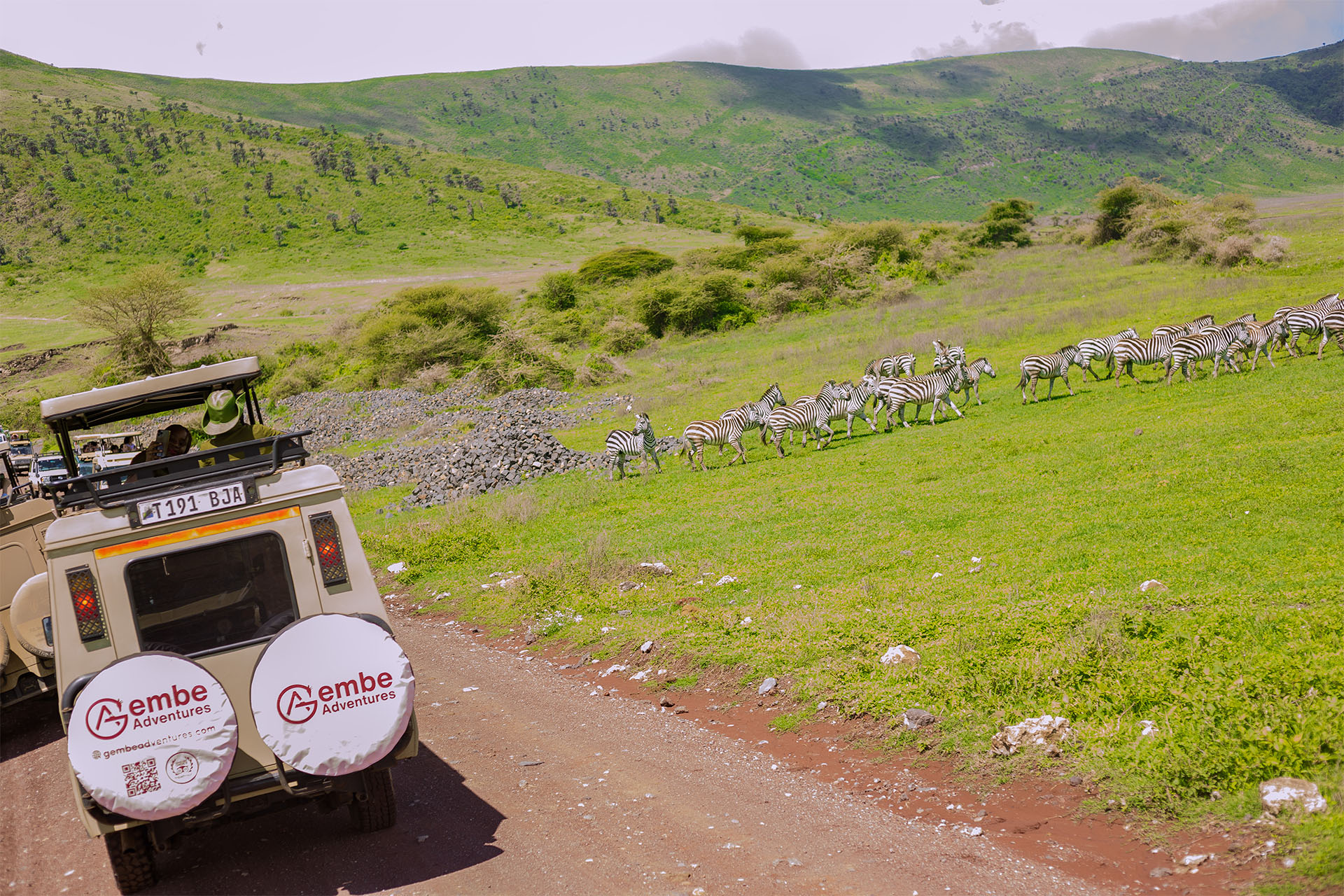
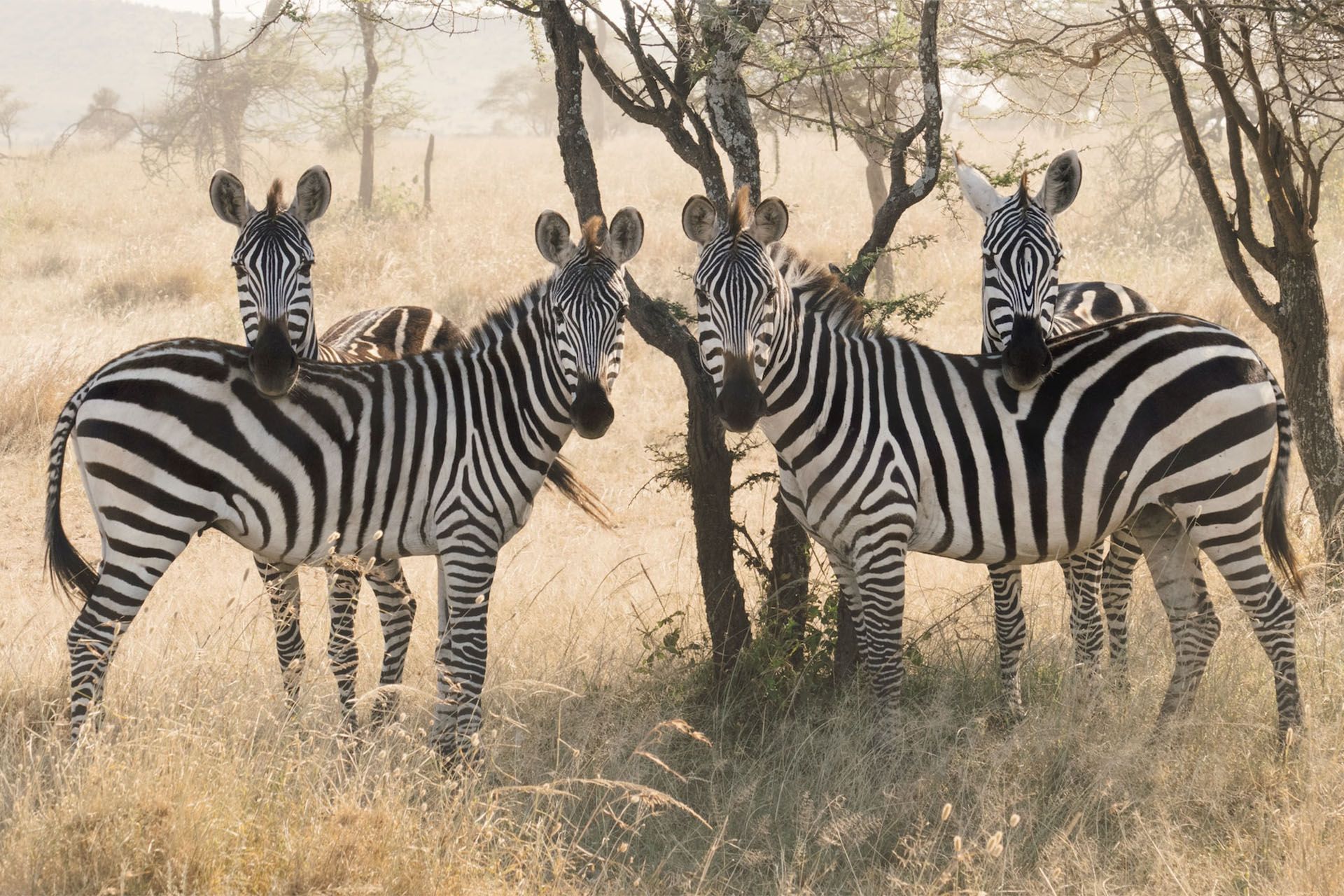
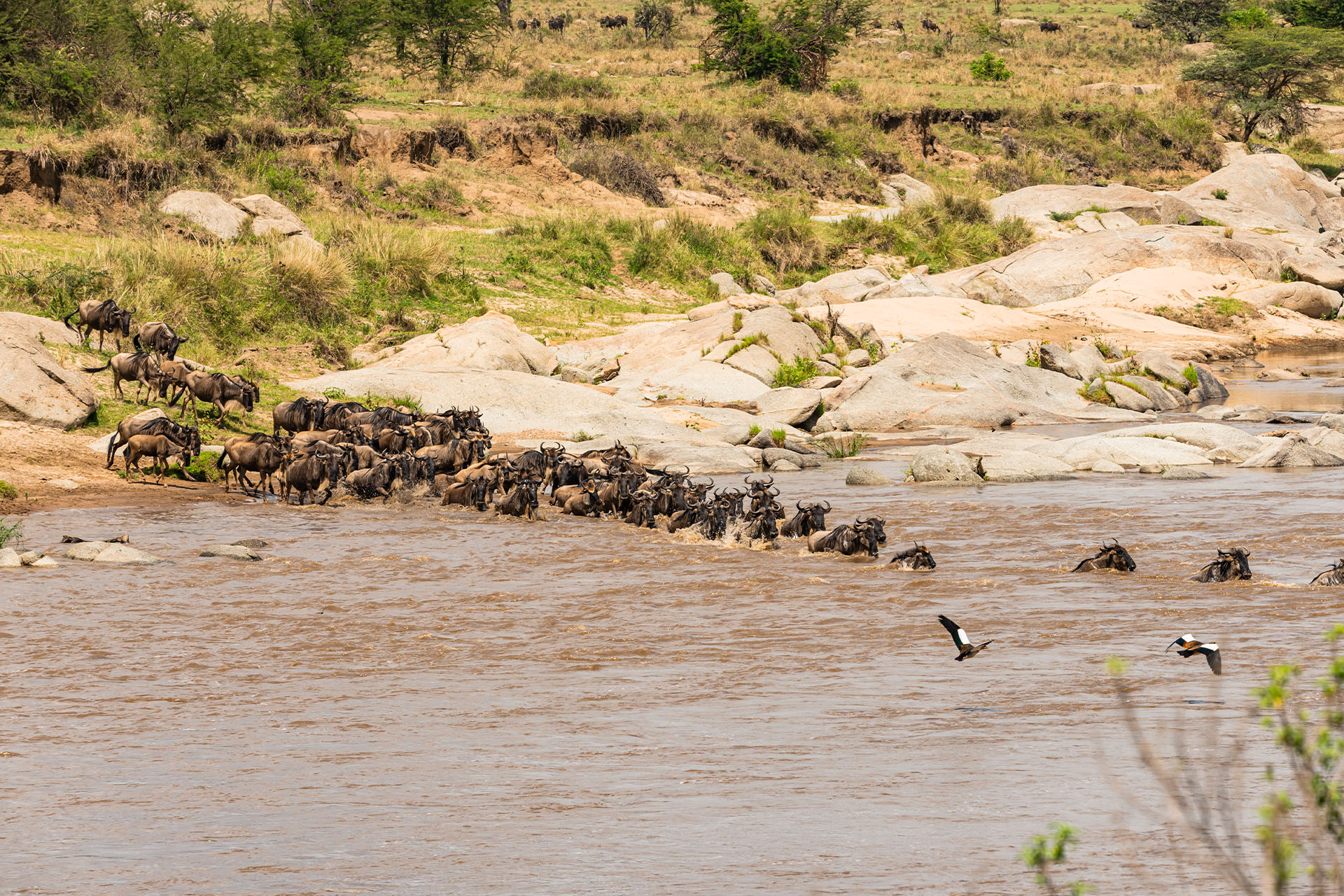
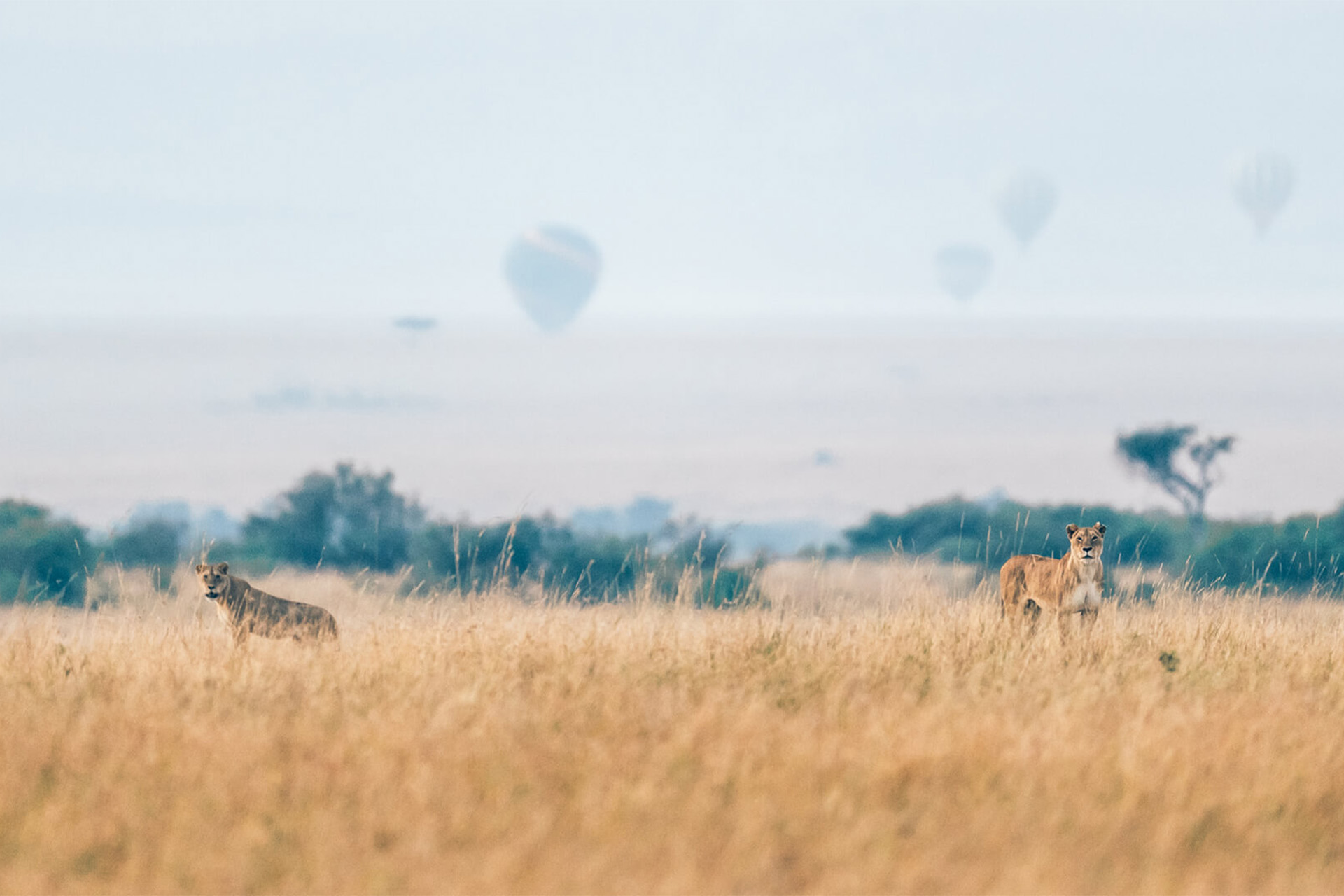
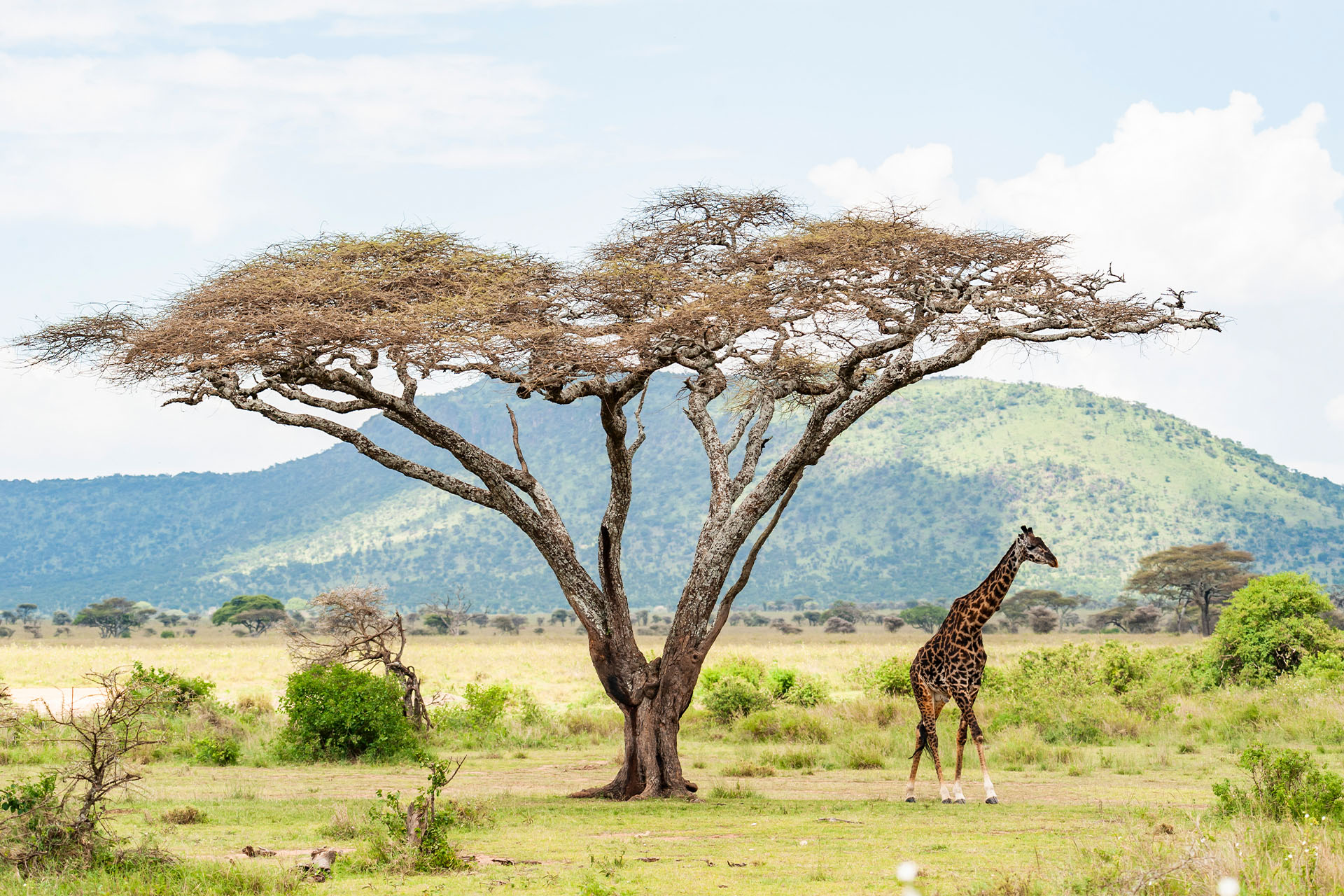
After breakfast, you will travel via the cooler highlands towards the eastern Serengeti. You’ll reach the plains of Serengeti National Park by midday. This park is the largest in Tanzania and has a diversity of habitats and landscapes—short grass plains, savannah, thick bush, swamps, and lakes. Bizarre rock formations called kopjes dot the grassy landscape. Predators are often seen here. The Serengeti is famous for the yearly migration when hundreds of thousands of wildebeests and zebras trek to find fresh grass and water.

This morning you will continue with your game drives in the Serengeti. At noon you will leave for Ngorongoro Conservation Area. As soon as you reach the edge of the Ngorongoro Crater, you will see the giant caldera below—which makes for a breathtaking view.

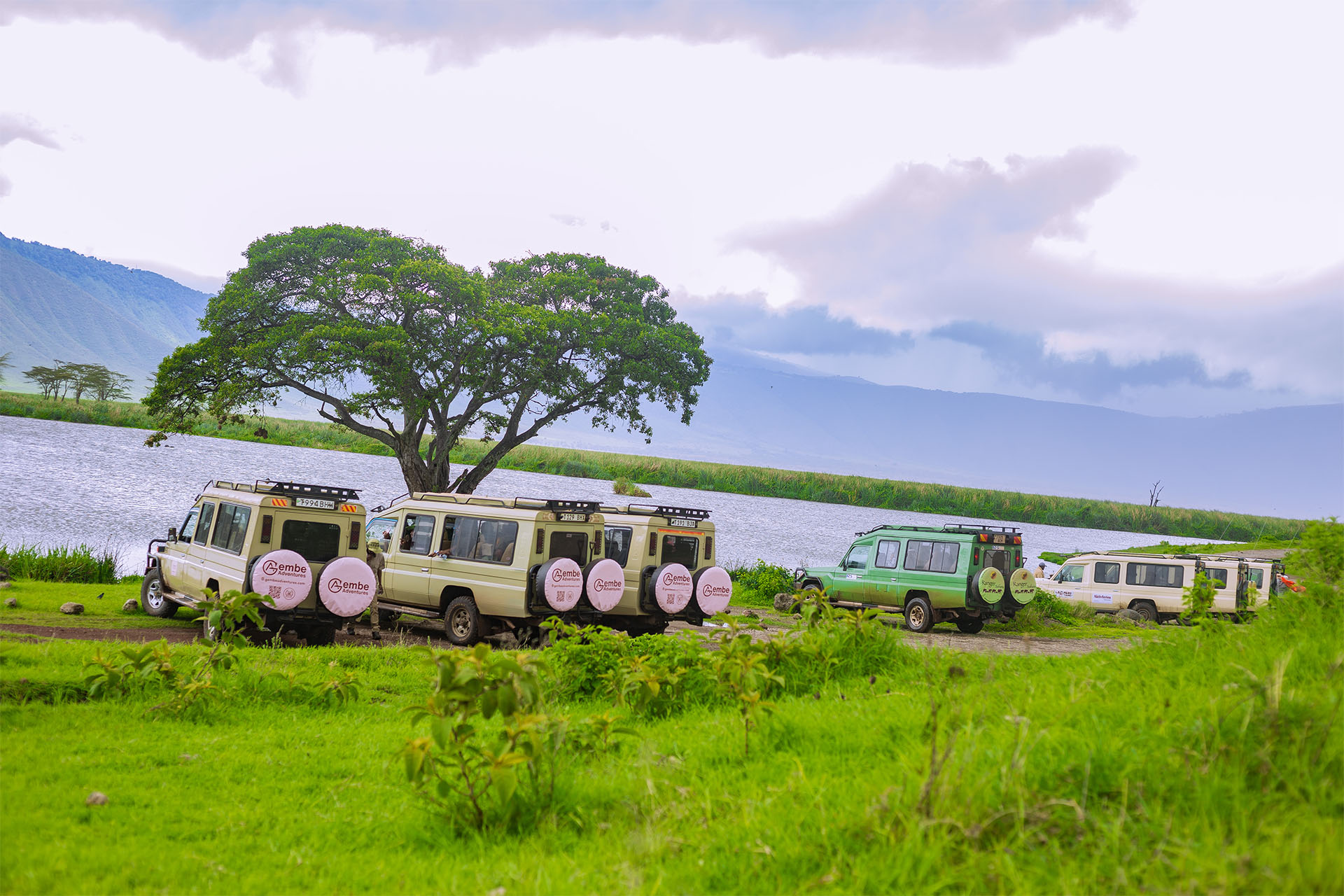
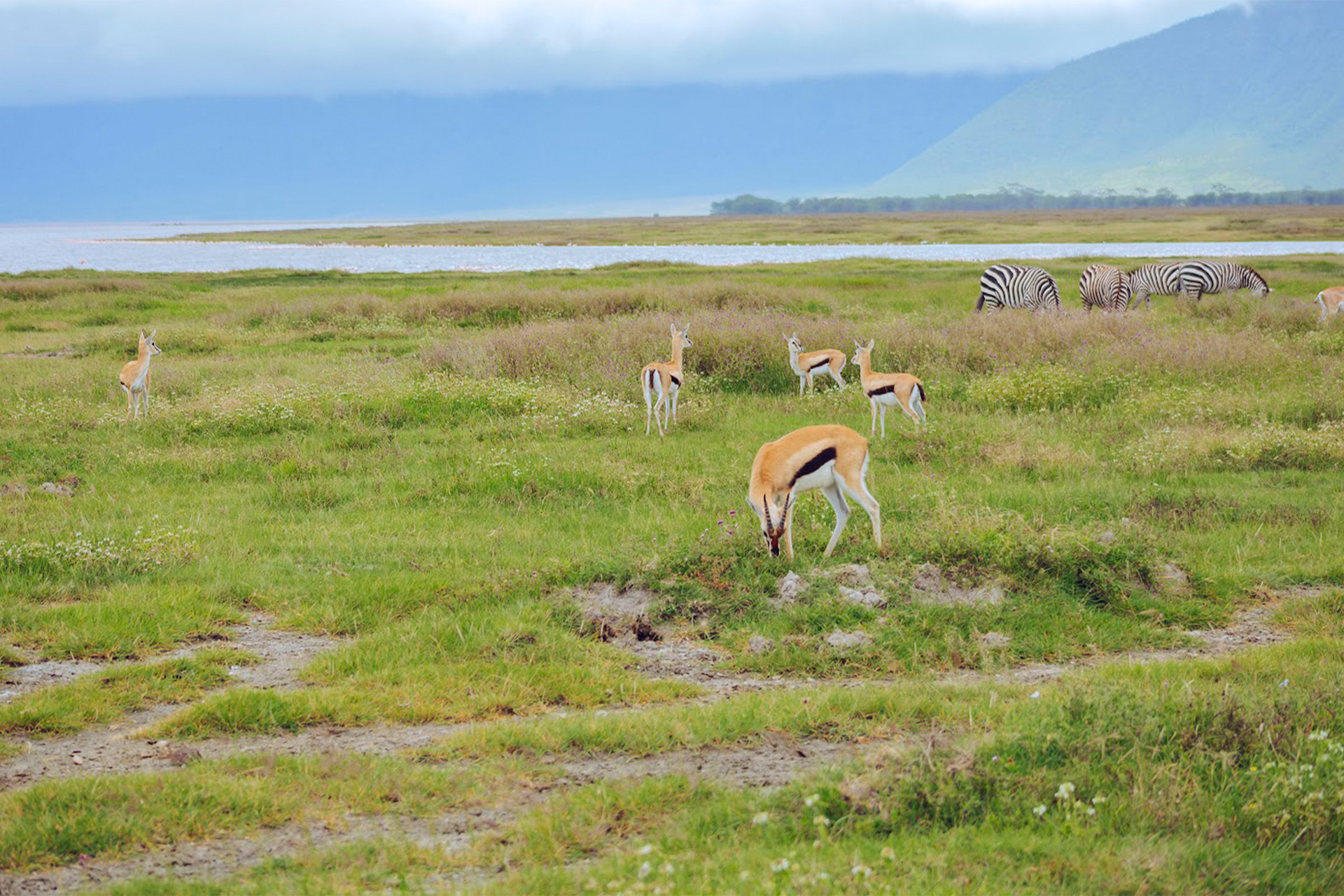
After an early breakfast, you will descend over 600 meters into the crater to view wildlife. Supported by a year-round water and food supply, the Ngorongoro Conservation Area is home to a vast array of animals, including herds of wildebeest, zebra, buffalo, eland, warthog, hippo, and giant African elephants. Another big draw card to this picturesque national park are its predators, which include lions, hyenas, jackals, cheetahs, and the ever-elusive leopard—which sometimes requires a trained eye to spot. We will visit Lake Magadi, a large but shallow alkaline lake in the southwestern corner, which is one of the main features of the crater. Many flamingos, hippos, and other water birds can usually be seen here.
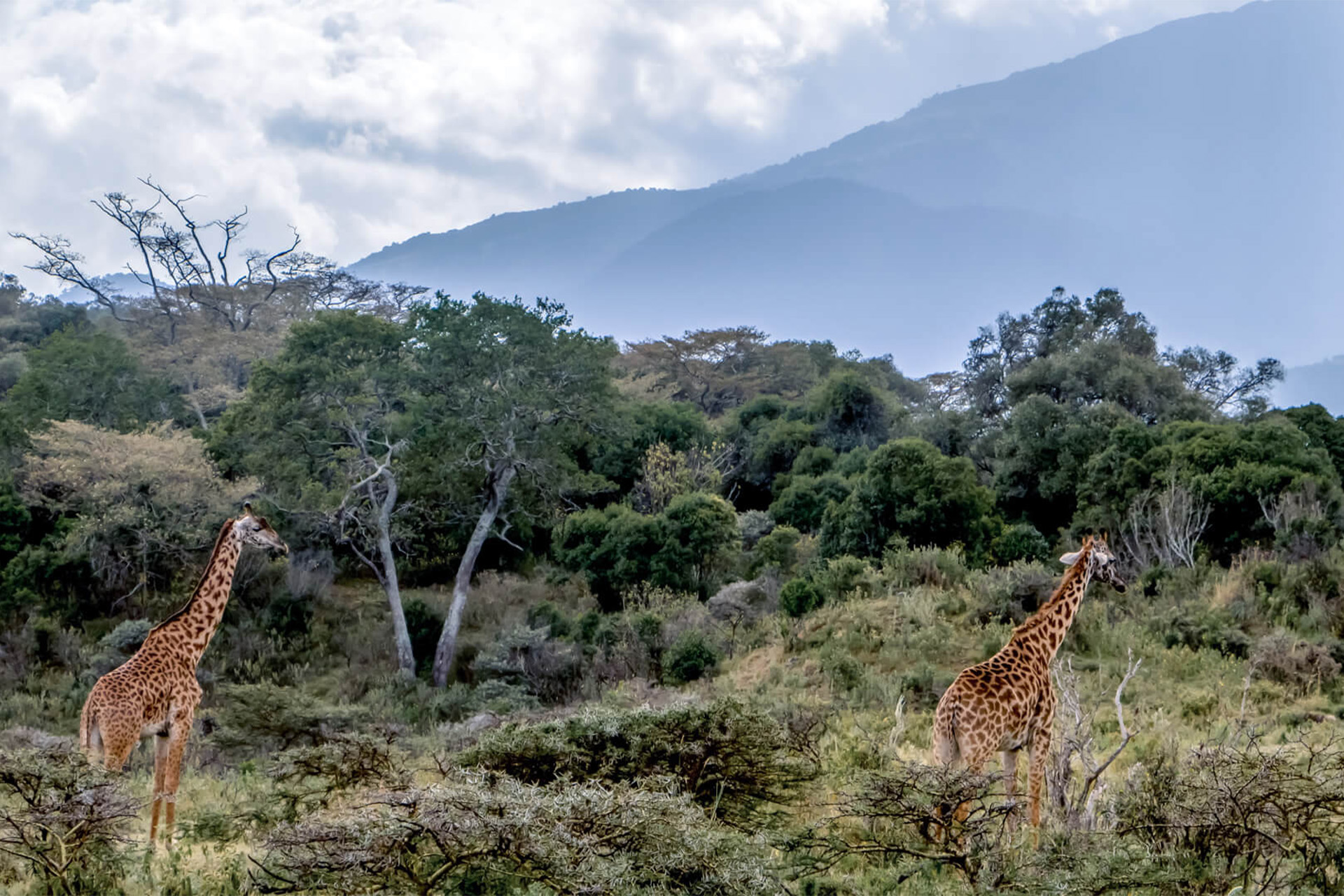
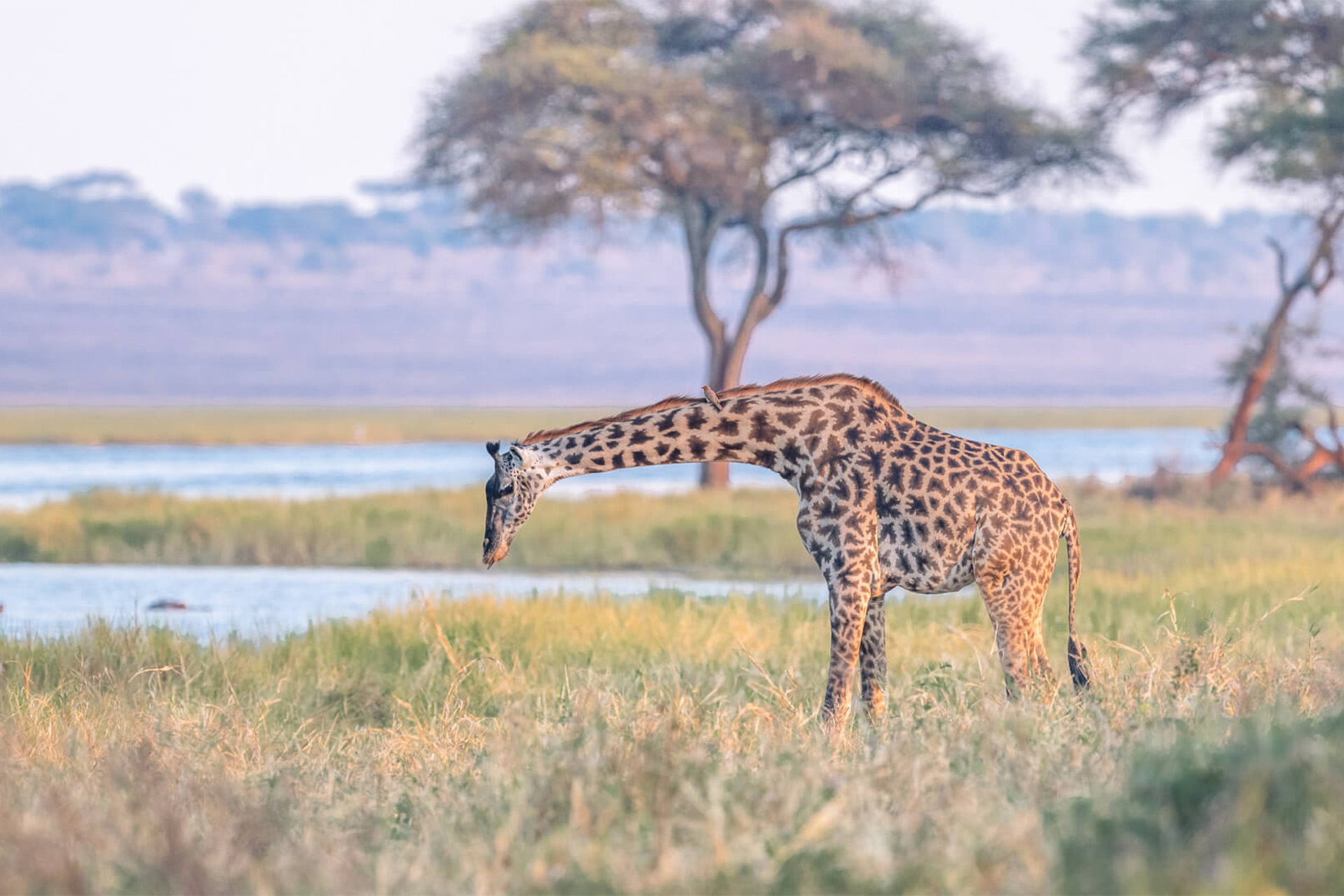
Lake Manyara National Park is dominated by the lake of the same name, which attracts large colonies of water birds. Particularly impressive are the pink-colored flamingos, but many other bird species such as cormorants, pelicans, and storks can also be found here. The park is also famous for its tree climbing lions. During the safari you will also see elephants, zebras, giraffes, buffaloes, hippos, and many other animal species. After the game drive you will head to Arusha and the airport.

Included/Exclude

  • Airport pickup and drop off
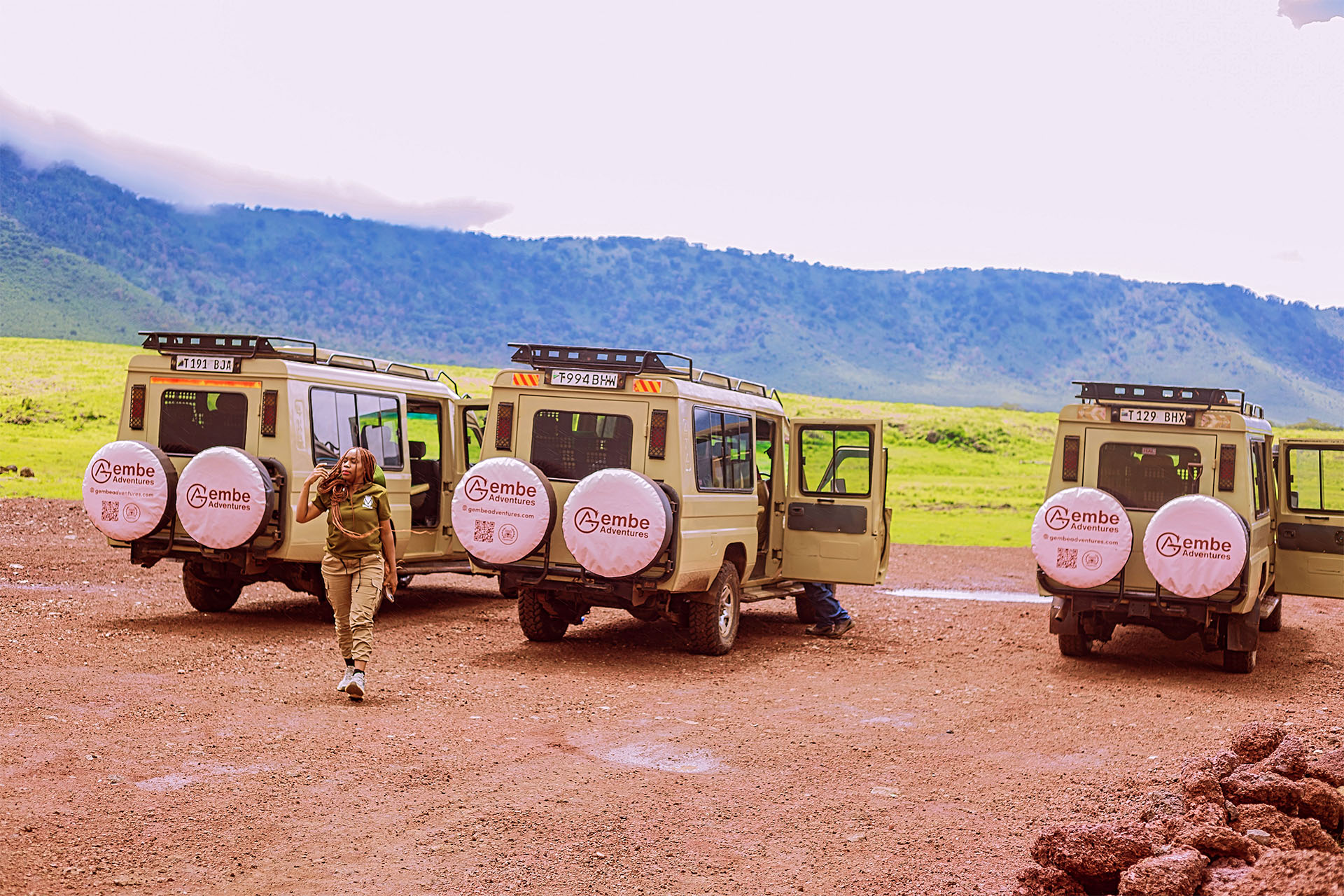
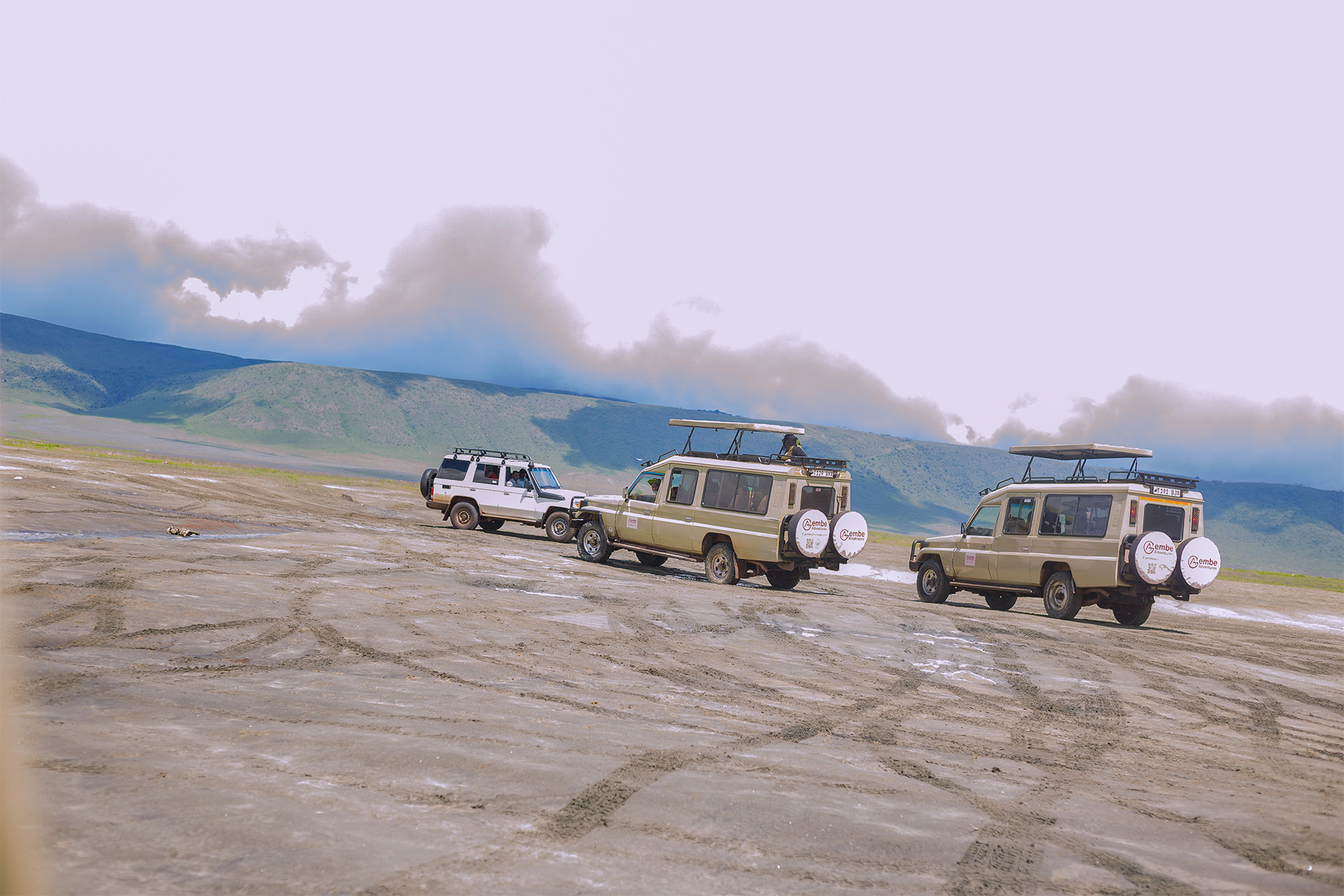
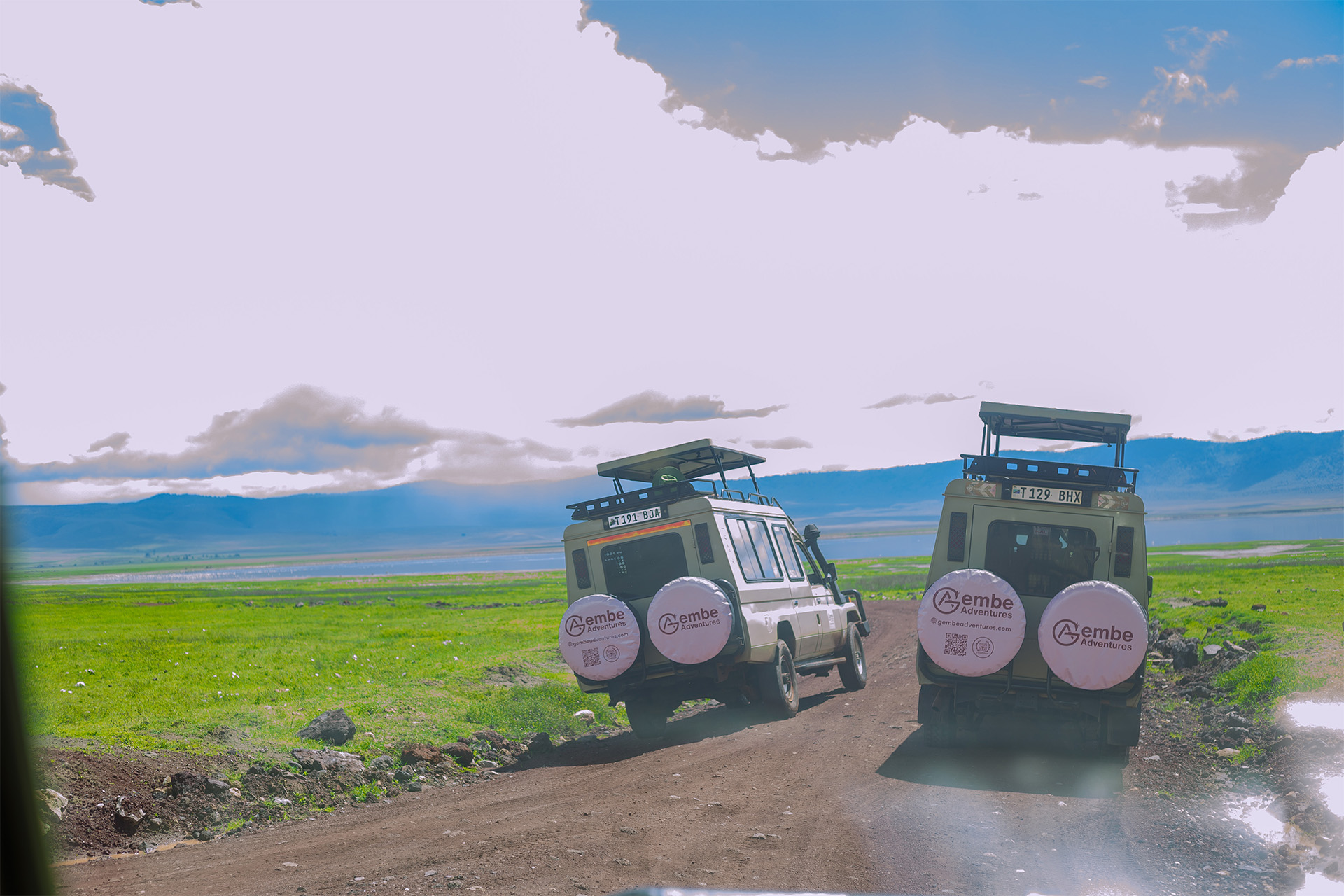
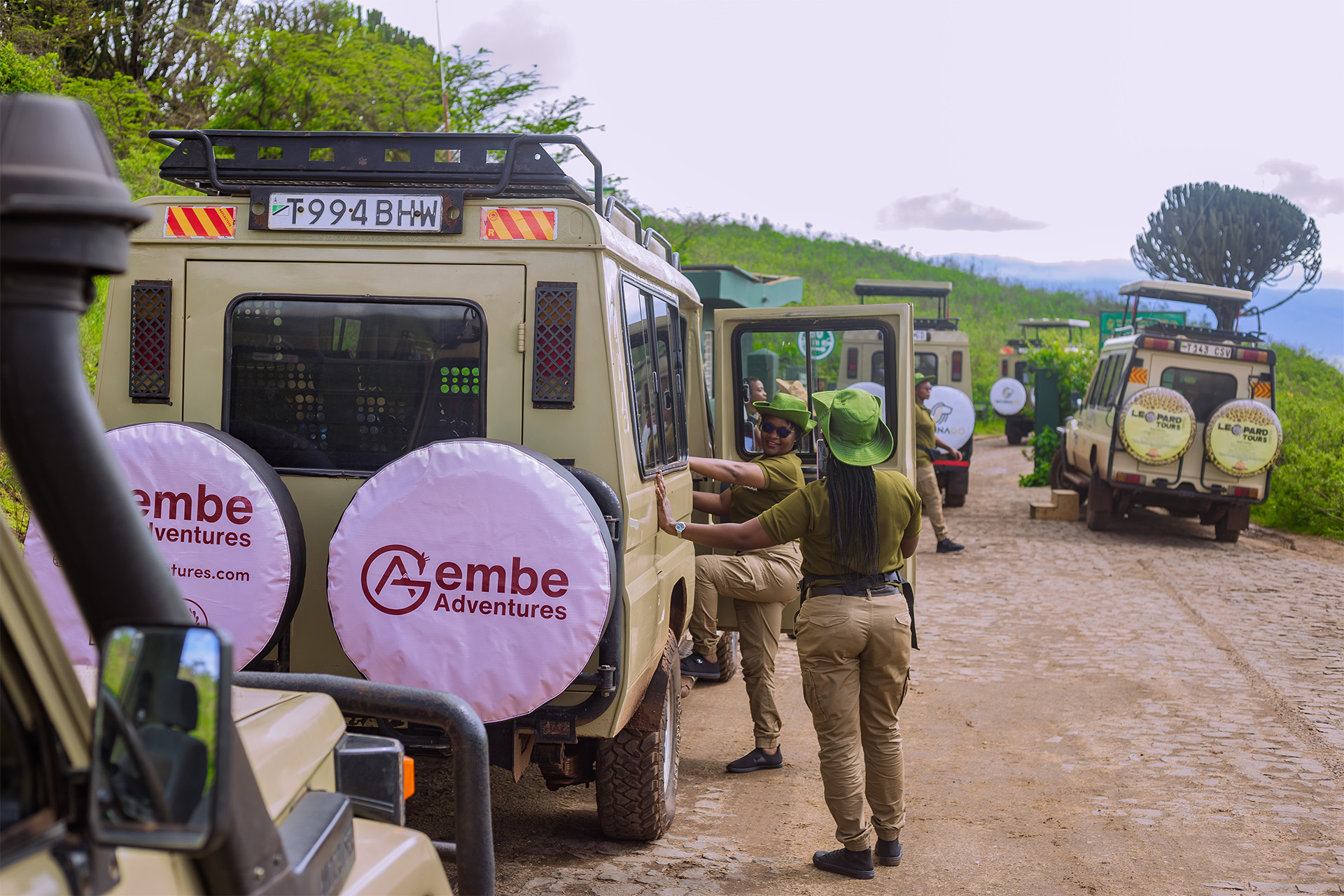
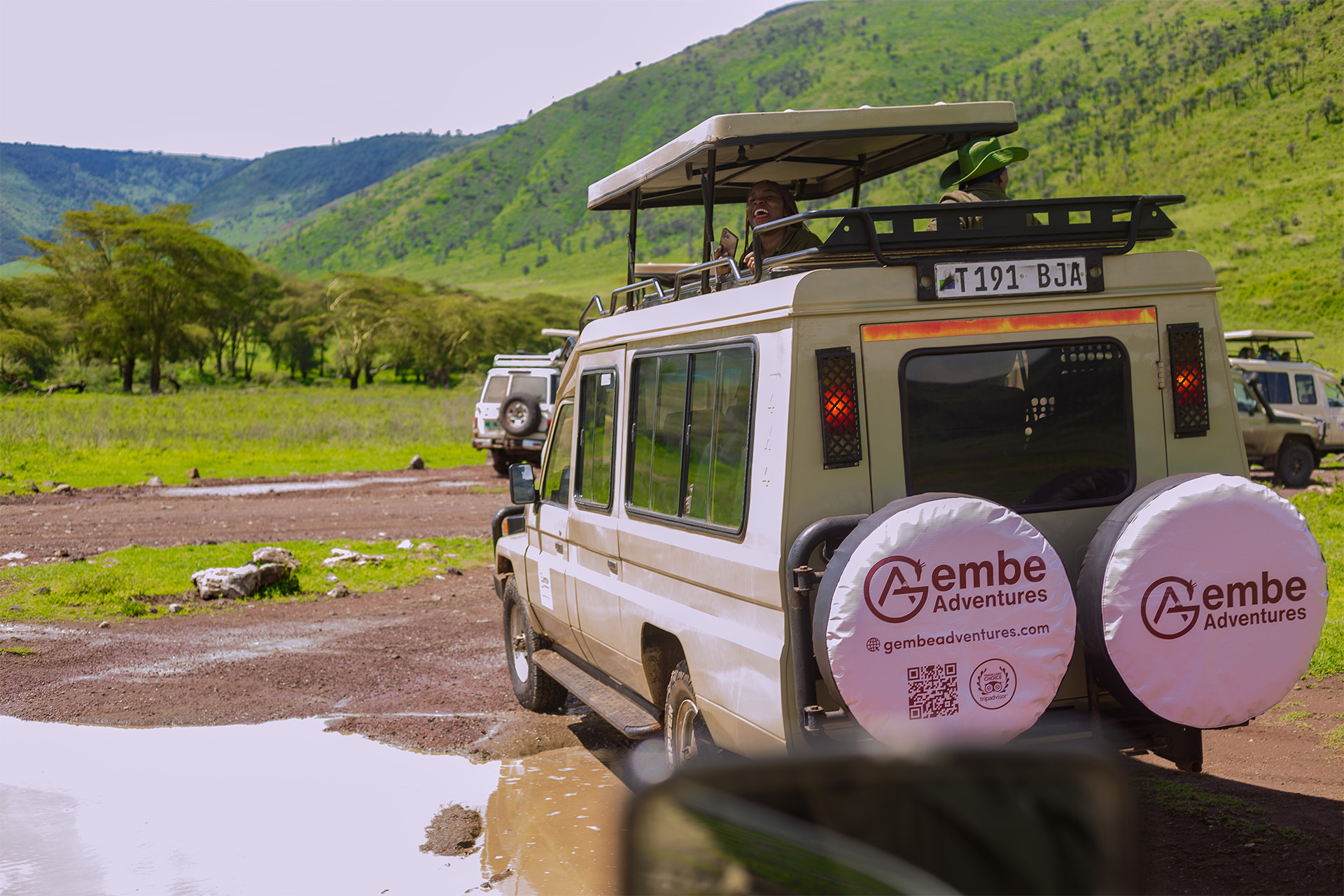
  • Transportation in a 4×4 safari vehicle
  • Professional, English-speaking guide
  • Overnight accommodation according to the itinerary
  • Meals while on safari
  • Mineral water
  • All government taxes
  • All mentioned activities
  • All national park fees
  • Flying Doctors insurance (AMREF) during the safari for emergency evacuations
  • International or Local Flights
  • Optional activities
  • Alcoholic and soft drinks
  • Visa fees
  • Tips
  • Personal spending money for souvenirs etc.
  • Travel insurance
FAQs
Mostly Frequently Asked Questions
What are the most popular national parks and reserves in Tanzania?

Tanzania is home to some of the most renowned national parks and reserves in Africa. The Serengeti National Park is famous for the Great Migration and abundant wildlife. Ngorongoro Crater is a UNESCO World Heritage Site and offers an incredible concentration of wildlife in a stunning volcanic caldera. Tarangire National Park is known for its large elephant herds and baobab trees, while Lake Manyara National Park is famous for its tree-climbing lions and diverse birdlife. The Selous Game Reserve and Ruaha National Park in the south offer more remote and less crowded safari experiences.

What types of safaris are available in Tanzania?

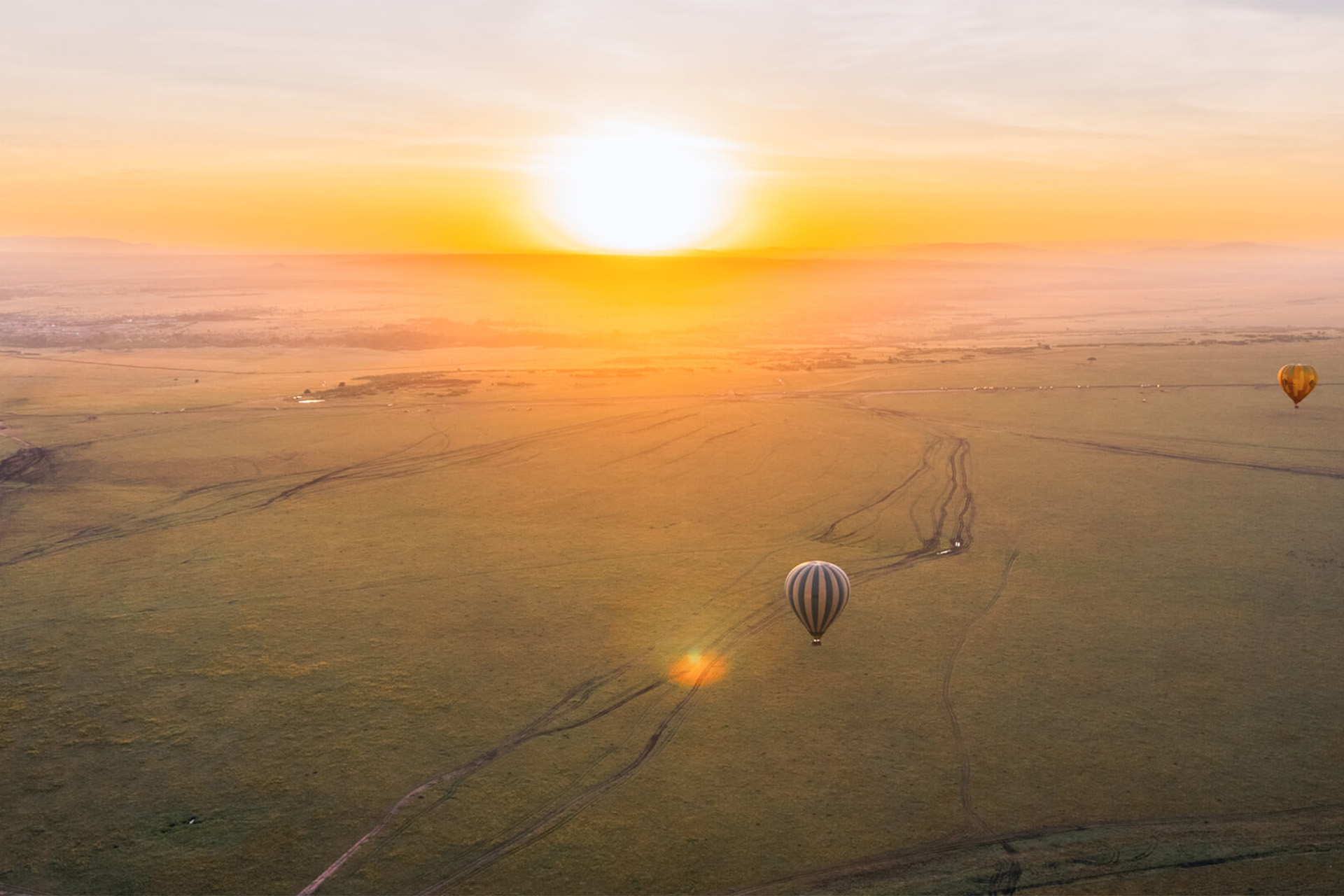
Tanzania offers a variety of safari experiences to suit different interests and budgets. Classic game drives are the most common and allow you to see wildlife from the comfort of a 4x4 vehicle. Walking safaris provide a more intimate experience, allowing you to explore the bush on foot with a knowledgeable guide. Hot air balloon safaris in the Serengeti offer a unique perspective of the landscape and wildlife from above. Night safaris, available in certain parks, give you the chance to spot nocturnal animals. Additionally, cultural safaris can be arranged to visit local tribes and learn about their way of life.

When is the best time to go on a safari in Tanzania?

The best time to go on a safari in Tanzania largely depends on what you want to see. Generally, the dry season from late June to October is ideal for wildlife viewing. During this period, animals congregate around water sources, making them easier to spot. Additionally, the Great Migration in the Serengeti, where millions of wildebeest and zebras move in search of greener pastures, peaks around June and July for river crossings and from late January to February for the calving season.

What should I pack for a safari in Tanzania?

Packing for a safari requires careful consideration to ensure comfort and practicality. Essential items include light, breathable clothing in neutral colors to blend in with the environment and avoid attracting insects. A wide-brimmed hat, sunglasses, and sunscreen are crucial for protection from the sun. Sturdy, comfortable walking shoes or boots are recommended for walking safaris. Binoculars and a good camera are essential for wildlife viewing and photography. Additionally, bring insect repellent, a first aid kit, any necessary medications, and a reusable water bottle. Layered clothing is advisable as temperatures can vary greatly from morning to evening.

Do I need vaccinations or medication before traveling to Tanzania?

Yes, certain vaccinations and medications are recommended before traveling to Tanzania. It's advisable to consult with a travel health specialist or your doctor well in advance of your trip. Common vaccinations include those for hepatitis A and B, typhoid, and yellow fever (particularly if coming from or transiting through a yellow fever endemic area). Malaria is prevalent in many parts of Tanzania, so taking antimalarial medication is highly recommended. Additionally, ensure you are up to date with routine vaccinations such as MMR (measles, mumps, rubella), DPT (diphtheria, pertussis, tetanus), and polio.

Is it safe to go on a safari in Tanzania?

Tanzania is generally considered safe for tourists, and the safari industry is well-regulated with experienced guides and operators. However, as with any travel, it's important to exercise common sense and take precautions. Always follow the instructions of your guide, particularly when it comes to wildlife viewing and safety. Be aware of your surroundings and secure your belongings. In terms of health, it's important to take preventive measures against malaria and stay hydrated. It's also advisable to check travel advisories and register with your embassy before traveling.

How does a typical day on safari look like?

A typical day on safari in Tanzania often starts early, around sunrise, to take advantage of the cooler temperatures and increased animal activity. After a light breakfast, you'll embark on a morning game drive, returning to camp for brunch or lunch. The midday hours are usually spent relaxing at the lodge or camp, as wildlife activity slows down in the heat. In the late afternoon, you'll head out for another game drive, returning by sunset. Dinner is typically enjoyed at the camp, followed by time to unwind and share stories of the day. Some lodges also offer evening activities such as stargazing or cultural performances.

Booking Form

Book This Tour

Related Tours

Other Africa Tours You May Like